What Is HVAC and How Does It Really Work in Your Home

Apr 20, 2026

5 Mins
Most people don’t go looking for their HVAC system.
You notice it when something feels off. Maybe the bedroom is warmer than the living room. Maybe the air feels dry in winter or a bit heavy in summer. Nothing dramatic, just enough to make you wonder what’s going on. That’s usually the point where home comfort stops being a vague idea and becomes something you actually pay attention to.
HVAC, Without the Technical Talk
HVAC stands for heating, ventilation, and air conditioning. That part’s easy.
What throws people off is thinking it’s one machine doing everything. It’s not. It’s more like a setup, different parts doing different jobs, all connected.
Heating warms the house during the cold months. Cooling brings the temperature down when the sun hits. Moreover, Ventilation keeps air moving so your home never feels stale or stuffy.
When all three are doing their job, your home comfort feels normal. You don’t think about it. When one part slips, even slightly, the whole house feels a bit off.
What’s Actually Happening When It Turns On
You adjust the thermostat, or the temperature shifts on its own, and it signals the HVAC system to spring into action.
The HVAC system kicks in, pulls air in, conditions it, and sends it back out through the vents. Sounds simple, and in a way it is.
But airflow matters more than most people realize. If air isn’t circulating properly, even a strong system won’t feel right. You’ll get hot spots, cold spots, or rooms that never seem to match the rest.
That’s where home comfort starts to break down, not because the system failed, but because it’s not balanced.
Heating Feels Different Depending on the System
When winter comes around, heating becomes the focus.
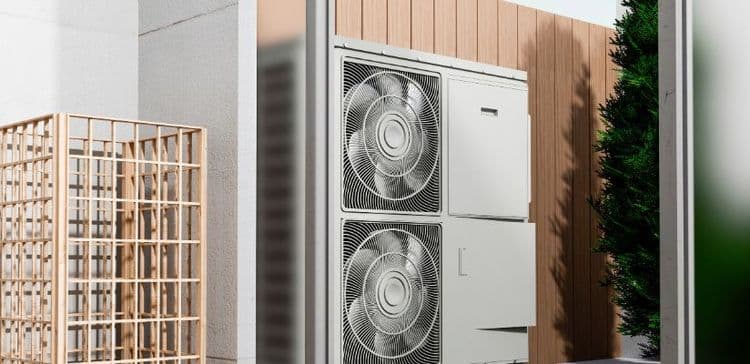
Some homes use a furnace, but more Canadian homeowners are now choosing a Dual Fuel System, a combination of both a heat pump and a furnace working together.
Furthermore, a furnace is known for speed and power. When it kicks on, you feel a blast of warm air almost immediately, making it ideal for the coldest winter nights.
A heat pump is highly energy efficient and provides a steady, consistent warmth. Instead of pushing intense bursts of heat, it maintains an even temperature throughout the house.
Because every region has a different climate, there is no "one-size-fits-all" answer. A dual-fuel setup is often the best choice for Canadians, as it automatically switches between the heat pump and the furnace based on the outdoor temperature.
💡Pro tips: If you aren't sure which setup is right for you, your local HVAC contractors can provide a professional assessment to determine which solution best suits your home and your budget.
Cooling Isn’t Just About Lower Numbers
In summer, people usually focus on the temperature setting.
But cooling isn’t just about making the number go down. An air conditioner also pulls moisture out of the air. That’s why two homes set at the same temperature can feel completely different.
If humidity isn’t controlled, the air can feel sticky or heavy. When it is controlled, the space feels lighter.
That balance is a big part of what your HVAC system is doing behind the scenes, even if you don’t notice it directly.
Ventilation Is the Quiet Factor
Ventilation is easy to ignore, mostly because you don’t see it. But you feel it.
When the airflow is poor, the house starts to feel dull. Air doesn’t move, and everything feels a bit closed in. Dust hangs around longer, and cooking smells tend to linger far past dinner. This is why a complete home comfort strategy often includes advanced tools like HEPA air purifiers and UV lights. These systems work within your HVAC setup to capture tiny airborne particles and neutralize pollutants, ensuring the air in your home stays crisp and clean.
Good ventilation fixes that without making a big scene. It just keeps things moving, which quietly improves home comfort and health across the whole house.
The Thermostat Isn’t Just a Switch
Most people treat the thermostat like an on-off button, but it is actually the "brain" of your HVAC setup.
It controls when your HVAC system runs and how long it stays on. Older ones need constant adjustments. Modern smart thermostats do more than just read the temperature; they learn your routine and adjust automatically to prevent temperature swings.
Once that control becomes more consistent. The house just feels… steady.
And that steadiness is a big part of long-term home comfort.
When Things Start Feeling Off
Systems don’t usually fail all at once.
It starts small. One room feels different. Airflow seems weaker. Maybe your energy bill creeps up without a clear reason.
Individually, these don’t seem like a big deal. Together, they point to an HVAC system that isn’t working the way it should.
Catching those early usually saves a lot of trouble later, and keeps your home comfort from slipping further.
It’s Not Just One System, It’s Everything Together
This is where most people get it wrong.
They focus on one part, the furnace, the AC, the thermostat, and expect that to fix everything. Sometimes it helps, sometimes it doesn’t.
Real improvement comes when everything works together as a complete home solution. Heating, cooling, airflow, and control are all balanced. So HVAC isn’t as complicated as it sounds.
It’s just the system that keeps your home feeling the way it should, warm when it’s cold, cool when it’s hot, and fresh all year round.
When it’s working properly, you barely notice it. And honestly, that’s probably the best sign that everything is doing exactly what it should. Thinking about how to upgrade your HVAC system? Talk to the HVAC pro now.
< PreviousNext >






.70e3bcd1.svg)
.8cbc05bd.svg)
.29c01fed.svg)
.6c51ffe3.svg)