Furnace Guide 2026: A Heating Solution That Brings Back Real Home Comfort

Apr 22, 2026

6 Mins
For many Canadians, a dependable heating solution isn’t optional; it’s essential during long, cold winters. When it comes to staying warm, most people rely on their furnace. It plays a central role in maintaining home comfort, working continuously to keep indoor spaces protected from freezing outdoor temperatures.
Still, even when everything seems to be running, problems can show up.
A common situation many homeowners face is this: the furnace is on, the motor is running, and air is flowing through the vents. On the surface, nothing appears broken. But the overall home comfort just doesn’t feel right. Some rooms stay warm and comfortable, while others never seem to reach the same level, leaving parts of the home noticeably colder.
That is the true challenge of a heating system. It’s not just about producing raw heat; it’s about how that warmth actually distributes through your living space. When your airflow or system efficiency is off, even slightly, your sense of home comfort shifts quickly from cozy to cold.
What a Furnace Is Really Doing
A modern furnace isn’t complicated, but it’s not as simple as “heat goes in, warmth comes out.”
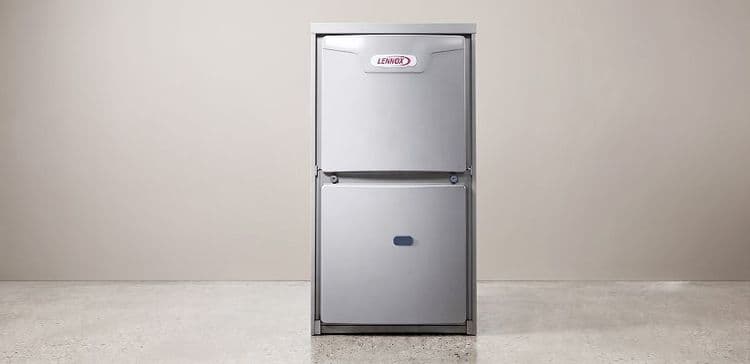
The unit pulls in cooler air, passes it over a heat exchanger, and distributes it back through your home. When every part of your HVAC setup lines up, the airflow, the timing, and the ductwork, you don’t even notice it working. It’s invisible.
But if something’s even a little off, the result feels uneven.
That’s usually when your home comfort starts feeling inconsistent, even though the system is technically running.
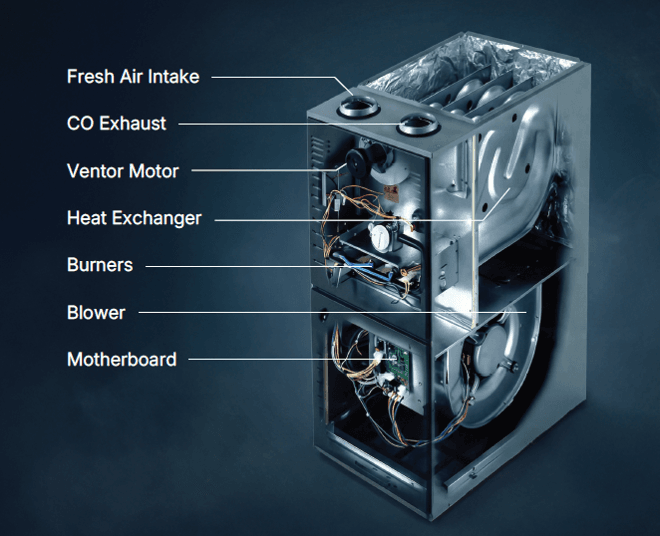
When Your Heating Solution Stops Feeling Right
This is where most people start paying attention.
You walk from one room into another and notice the difference immediately. One space feels comfortable, the next feels like it didn’t get the same treatment.
So you adjust the thermostat. Wait. Check again.
Sometimes it helps. Sometimes it doesn’t.
At that point, it’s not just about the furnace anymore. It’s about a heating solution that isn’t delivering evenly, and that affects how your home feels day to day.
The Quiet Drop in System Efficiency
Nothing really “breaks” at first.
Instead, the furnace just starts working a little harder. It runs longer than it used to. You hear it kick in more often. Heating takes more time, even if the result is similar. While your home might still feel warm, this drop in system efficiency is likely sending your utility costs sky-high.
Modern high-efficiency furnaces have changed the game, with ratings now reaching up to 99% AFUE (Annual Fuel Utilization Efficiency). AFUE is the standard measure of how effectively a furnace converts fuel into usable heat for your home.
A 99% rating means that nearly all the fuel you pay for is converted directly into warmth, with almost zero heat loss during the combustion process. Upgrading to a high-efficiency heating system doesn't just improve your indoor comfort; it stops the "energy drain" on your wallet and ensures every dollar you spend on fuel is actually keeping your family cozy.
The Small Signs That Add Up
Even if your furnace hasn’t reached the end of its typical lifespan and the current system efficiency isn't your primary concern, it is important to watch for the subtle warning signs that your unit needs professional attention.
Keep an eye out for these "red flags":
- Frequent Repairs: You’re calling a technician more than once a season.
- Old Age: Your system is approaching the 12–15 year mark.
- Strange Noises or Smells: Rattling, banging, or persistent "dusty" odors.
- Rising Energy Bills: Your heating costs are climbing despite similar usage.
- Uneven Heat: Struggling to keep every room in your home consistently warm.
None of these feels like an emergency on its own, but together, they point to a system that is struggling. That slow shift is what most homeowners end up living with for much longer than they should, often at a higher cost than a proactive home upgrade.
When a Home Upgrade Becomes the Better Option
There comes a point where minor repairs stop making financial sense. If you are constantly fighting to balance temperatures, a modern replacement might be the most practical and cost-effective heating solution.
Newer 2026 models are engineered with superior system efficiency and designed to deliver even warmth across your entire floor plan. These units aren't just about "blasting more heat"; they focus on precise temperature control and a reliable, quiet environment. Most modern systems are ENERGY STAR® certified and come with robust manufacturer warranties, giving you total peace of mind for at least the next decade.
Looking at the Full HVAC Picture
One thing I didn’t fully understand at first, the furnace doesn’t work alone. It’s part of a larger HVAC system. Airflow, ducts, insulation, and controls all play a role in how well your heating solution performs.
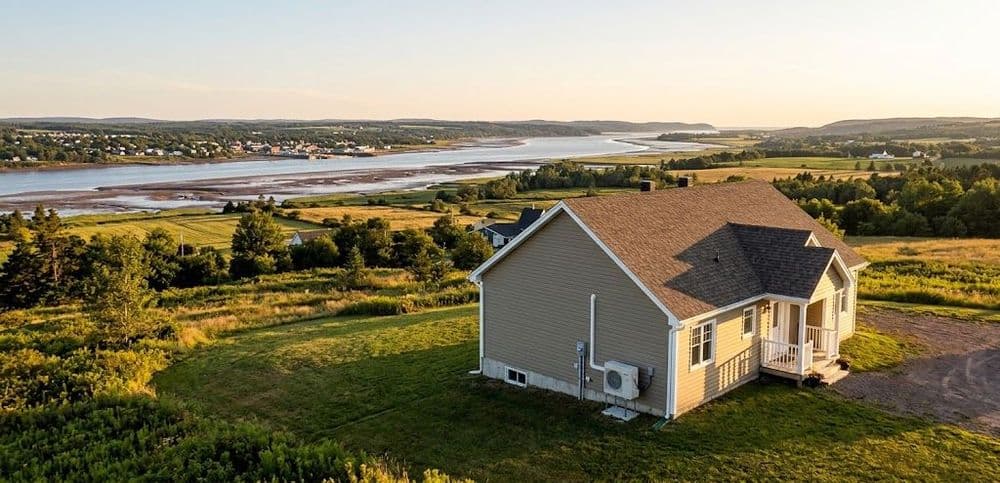
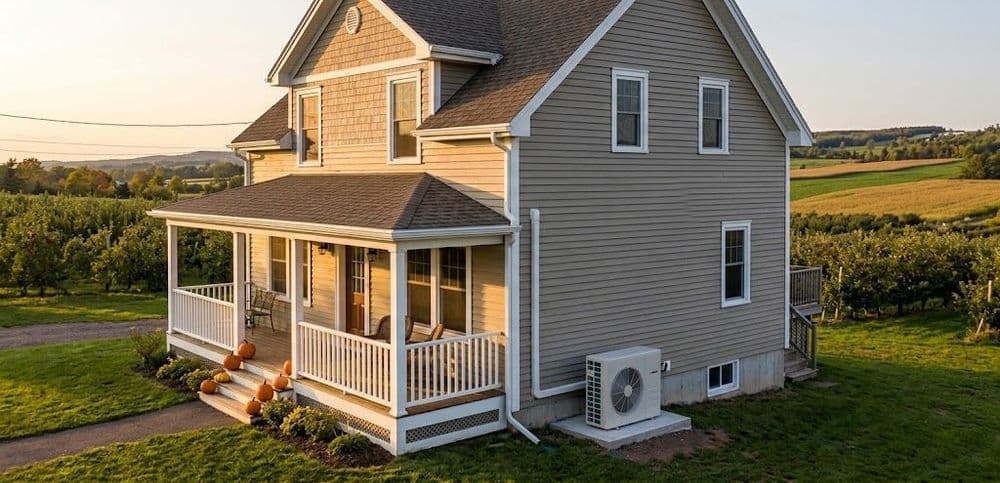
Pro Tips for 2026: The Hybrid Advantage: Pairing a heat pump with a furnace is widely considered the best heating solution for Canadian homes. It offers high-efficiency cooling in the summer and versatile, cost-saving heat in the winter. Ask an HVAC pro why this "dual-fuel" setup is the gold standard for our climate. Complete Indoor Comfort: Adding a whole-home humidifier or an advanced air purifier can significantly improve your indoor comfort and air quality, pushing your heating system to the next level of performance.
Final Thoughts
A furnace should be something you rarely think about.
When it’s doing its job well, your home just feels right. No constant adjusting, no guessing, no uneven spots.
If things don’t feel as comfortable as they used to, it’s worth investigating. Whether it’s a simple adjustment to improve airflow or time for a more modern setup, getting back to consistent home comfort makes a bigger difference than most people expect.
Is your furnace ready for another Canadian winter? Contact the experts at Polaron Comfort today for a professional heating system assessment and ensure your home stays warm all season long.



.70e3bcd1.svg)
.8cbc05bd.svg)
.29c01fed.svg)
.6c51ffe3.svg)