About/Blog/Heat Pump Guide 2026: A More Practical Heating and Cooling Solution for Home Comfort
Heat Pump Guide 2026: A More Practical Heating and Cooling Solution for Home Comfort

Heat Pump Guide 2026: A More Practical Heating and Cooling Solution for Home Comfort
calendar

Apr 20, 2026

The idea of a heat pump isn't exactly new to Canadians, but in 2026, it has officially moved from a "nice-to-have" to a household essential. With our weather shifting more unpredictably than ever and the economy forcing every family to tighten its budget, finding a smart, all-in-one heating and cooling solution has become a top priority.

For many of us, the realization starts in the home we already live in. You notice the old heating system just isn't keeping up anymore. One room would stay cold, another would feel stuffy, and the system seemed to run longer than it should. Nothing was completely broken, just… off.

That’s usually how it starts. You’re not looking for something new; you’re just trying to fix your home comfort and stop overpaying for a system that isn't performing.

So, What Does a Heat Pump Actually Do?

The simplest way to explain a heat pump is that it moves heat instead of creating it.

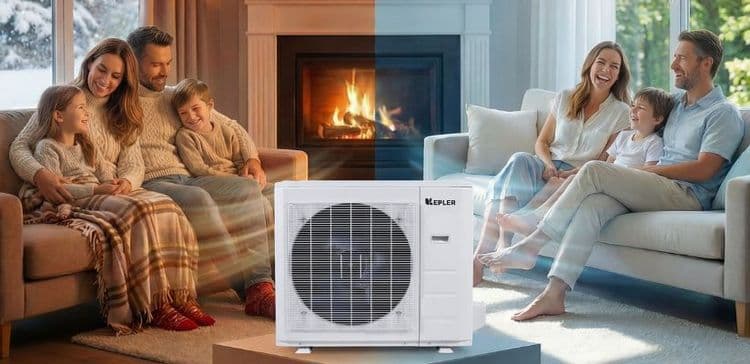
That might sound like a small detail, but it changes how the whole system behaves. In winter, it pulls thermal energy from the outside air and brings it indoors. In summer, it reverses the process; it pushes heat out of your house.

That’s why people call it both a heating solution and a cooling solution. It’s a single home solution that replaces two separate, bulky units.
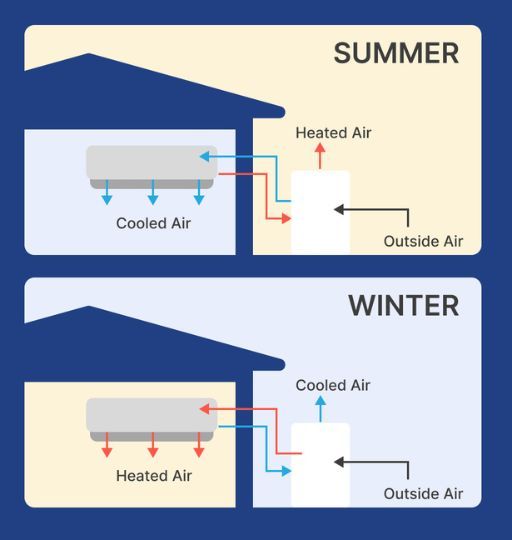
heat pump provides heating and cooling in all seasons

The Difference You Notice After Living With It

If you’ve lived with a traditional furnace your whole life, the experience of a heat pump will feel distinctly different. A furnace tends to operate in "blasts"—it kicks on with a surge of hot air, reaches the target temperature, and then stops. You feel that cycle all day: warm, then slightly cool, then warm again.

A heat pump, however, provides a much more stable environment. It runs for longer periods but at a lower, more consistent intensity. Instead of those aggressive bursts of heat, the temperature stays even across every room. It isn’t a dramatic shift; in fact, the subtlety is exactly the point.

The Hybrid Advantage: Heat Pumps and Furnaces Working Together

Of course, this doesn’t mean the furnace is obsolete. In many parts of Canada where we face truly harsh weather, pairing a heat pump with a furnace in a single heating system is actually the gold standard. This "dual-fuel" setup allows you to handle the hottest humid summers and those notoriously "crazy" freezing winters with total confidence.

When the temperature is moderate, the heat pump provides high-efficiency warmth. When the mercury drops into a deep freeze, the furnace steps in to provide the heavy-duty backup power you need. After a while, you’ll find yourself stopping reaching for the thermostat every hour—and that’s the moment you realize your home comfort has finally reached the next level.

One System Instead of Managing Two

One thing that surprised me was how simple it made everything.

Instead of thinking about separate systems for heating and cooling, it all runs through one streamlined setup. It starts to feel more like a complete home solution, not a mix of different pieces.

That doesn’t mean it’s perfect for every home. But if your current setup feels complicated or inconsistent, this can be a cleaner way to handle it.

Where Efficiency Starts to Make Sense

To be honest, technical system efficiency usually isn't the first thing on a homeowner's mind. When it’s -20°C outside, your top priority is simply staying warm.

However, over time, the energy efficiency of a heat pump becomes impossible to ignore, mostly because you’ll see the alternative reflected in your monthly utility bills.

Running an inefficient heating solution is essentially watching your hard-earned money disappear through the vents.

Because a heat pump moves existing heat rather than burning fuel to create it from scratch, the system uses electricity far more effectively. It’s not about using "brute force" power for short bursts; it’s about steady, intelligent operation. This consistent performance is exactly what maintains indoor comfort year-round while protecting your wallet from the massive spikes that usually come with peak winter and summer months.

Does It Work Everywhere? Not Exactly

This is where it’s worth being realistic.

A heat pump works really well in moderate conditions. In extreme cold, it can still run, but it may not be as strong on its own.

That’s why some setups include a backup heating solution. It’s not a flaw, just part of choosing the right system for the right environment.

So it’s less about whether heat pumps are “good or bad,” and more about whether they fit your home.

Maximizing Your Investment: The 2026 Heat Pump Rebates

Because a heat pump is the most energy-efficient heating and cooling solution available today, various levels of government and local utilities offer significant financial incentives to help homeowners make the switch. These programs are designed to lower your carbon footprint while making a high-quality home upgrade more affordable.

In Ontario, for example, the provincial government has partnered with programs like Save on Energy to offer substantial incentives. Homeowners can currently access up to $7,500 in heat pump rebates, which can significantly offset the initial cost of the unit. When you combine these upfront savings with the long-term reduction in your monthly utility bills, the transition to a modern heat pump becomes one of the smartest financial moves you can make for your property.

*Note: Rebate programs are subject to change and often require specific energy audits or licensed installations to qualify. Be sure to consult with your HVAC contractor to confirm the current rebate amounts and eligibility requirements for your region.

When Is It Worth Considering an Upgrade?

If your current system works fine, you probably don’t need to rush into anything.

But if you’re dealing with uneven temperatures, constant adjustments, or rising energy costs, it might be time to look at a home upgrade.

A home improvement centered around a heat pump might be exactly what you need. It’s not just a replacement; it’s a shift in how your home breathes.

Final Thoughts

Most people don’t really care what system they have.

They just want the house to feel right.

That is where the heat pump stands out. It focuses on balance and efficiency, serving as your primary heating and cooling solution without making life complicated. If you're looking for a way to make your home more consistent and your bills more predictable, it’s an option that just works better in the long run.

Still confused about how a heat pump works in your space? Let’s have a deep dive with our Heat Pump Pros to build a custom plan for your home comfort.

< PreviousNext >

Read More

The 2026 Complete Guide to Home Comfort Systems in Modern Homes
CalendarMay 11, 2026

The 2026 Complete Guide to Home Comfort Systems in Modern Homes

If you’ve ever walked into a house and instantly felt “this just feels right,” that’s home comfort at work. It’s not just about blasting the AC in summer or cranking the furnace in winter. It’s more subtle than that. The air feels fresh, the consistent temperature doesn’t swing too much, and nothing really demands your attention. Most people don’t think about it until something goes wrong. A room feels stuffy. The water takes too long to heat. One side of the house is always warmer than the other. That’s usually when home comfort starts becoming a priority. ## What Is a Home Comfort System? A home comfort system isn’t one single machine. It’s more like a group of systems that all play their part and work in harmony. You’ve got your heating, cooling, airflow, water heating, and even small things like thermostats. On their own, each one does a job. But real home comfort comes from how they work together. A lot of homeowners upgrade one piece and expect everything to improve overnight. Sometimes it helps. But if the rest of the setup is outdated, the results feel… incomplete. ## The Core Components of Home Comfort: HVAC Systems To really understand home comfort, it helps to look at the main pieces involved. Each one affects how your home feels differently. HVAC stands for Heating, Ventilation, and Air Conditioning. These systems do more than just blow air; they regulate your indoor temperature, balance humidity, and maintain the air quality you breathe every day. Think of your HVAC setup as the "heart" of your home. Whether it’s a furnace, heat pump, air conditioner, humidifier, or air purification system, these components work together to maintain your comfort year-round. When your HVAC system is doing its job well, you barely notice it, and that’s exactly how it should be. However, when things start to drift, you’ll pick up on small shifts. Maybe the air feels uncomfortably dry in the winter, or your electricity bills are suddenly climbing. Perhaps the system is running much longer than it used to just to reach the right temperature. These are the first signs that your home comfort might need a professional check-up to get things back in balance. ### 1. Heating Systems: Furnaces and Heat Pumps When winter hits, heating becomes the backbone of home comfort. Traditionally, most homes rely on either [a furnace or a heat pump](https://polaroncomfort.com/heating-cooling), but each has its own strengths: Furnaces are straightforward. They generate heat and push it through the home, providing reliable warmth even on the coldest days. Heat pumps work a bit differently. They move heat instead of creating it, which can make them more efficient and an excellent choice for cooling your home in the summer. For the harsh Canadian climate, the best heating solution is often a combination of both. A Dual Fuel System pairs a furnace with a heat pump to give you the best of both worlds. When temperatures are above freezing, but you still need warmth, the heat pump efficiently keeps you cozy. When the mercury drops into a deep freeze, the furnace automatically steps in to provide the heavy-duty heating power you need. In the summer, the heat pump reverses its role to remove heat from your home, keeping you perfectly cool. There’s no universal “better” option. It depends on your home, your climate, and even how you use your space. But one thing is clear, your heating setup has a direct impact on your daily home comfort and the cost ### 2. Cooling Systems: Air Conditioners and Heat Pumps Cooling sounds simple, but it’s often where home comfort starts to break down. You set a temperature, but the house doesn’t feel consistent. One room is cool, another is warm, and you keep adjusting the thermostat, hoping it balances out. A high-quality air conditioner does more than just lower the temperature—it also manages humidity and optimizes airflow. If you already have a reliable heating source and are only looking for a summer [cooling solution](https://polaroncomfort.com/heating-cooling), a standalone air conditioner is often the most straightforward choice. However, for many Canadian homes, a heat pump is an even smarter alternative. Because a single unit handles both heating and cooling, it is incredibly efficient and helps you save on energy bills year-round. When paired with a smart thermostat, the system automatically adjusts itself to maintain your preferred settings. This means you can stop "fighting" with your thermostat and simply enjoy a perfectly tempered home through every season. ### 3. Smart Thermostats [Thermostats](https://polaroncomfort.com/smart-home) don’t get much attention, but they have a quiet influence on home comfort. A smart thermostat can learn your routine, adjust temperatures automatically, and help avoid unnecessary energy use. It’s not a dramatic upgrade, but it’s one you notice over time. Instead of constantly tweaking settings, your home temperature starts to feel more stable. ### 4. Indoor Air Quality: Air Purifiers and Air Humidifier Air quality is easy to overlook. You can’t always see it, and most of the time you get used to it, , but your Indoor Air Quality (IAQ) is a component of your HVAC system that you simply cannot ignore. If the air feels heavy or dusty, it affects how you feel in the space. Allergies, odors, or even just a lack of freshness can make a home feel uncomfortable, even when the thermostat says the temperature is fine. - **Air purifier:** Upgrading to a high-efficiency [air purifier](https://polaroncomfort.com/air-purification) works to capture airborne particles as they circulate through your home. By removing pollutants and allergens from the air you breathe, and ensuring proper ventilation, you can significantly improve your daily well-being. - **Air Humidifier:** In the heart of a Canadian winter, an [air humidifier](https://polaroncomfort.com/air-purification) is a must-have. When your heating system runs 24/7, it strips the moisture from the air. This dry environment can lead to itchy skin, dry throats, and even nosebleeds. A simple humidifier attached to your furnace or heat pump solves this problem instantly, adding the perfect amount of moisture back into your home for a truly comfortable winter. ## Water Heating: Tank vs. Tankless Systems Who doesn’t love a hot shower to start the morning? We often take hot water for granted until it suddenly runs out. Traditionally, many Canadian homes rely on a storage [tank water heater](https://polaroncomfort.com/water-heating). These systems keep a large volume of water heated and ready for use at all times, providing peace of mind and a steady supply for the whole family. However, [tankless water heaters](https://polaroncomfort.com/water-heating) are becoming the modern standard for energy-conscious homeowners. This "on-demand" technology changes the way you use hot water by heating it only as it flows through the unit. This means: - **Endless Hot Water:** You’ll never run out, even if you’re the last one in the shower. - **Energy Savings:** Since the unit doesn't heat water 24/7, you stop paying to heat water you aren't using. - **Low Maintenance:** Modern tankless systems are designed for long-term reliability with minimal upkeep. Whether you choose a high-efficiency tank or a space-saving tankless system, the goal remains the same: reliable. ## Signs Your Home Comfort Needs an Upgrade Not every issue is obvious right away. But over time, patterns start to show. If you’ve noticed your home isn't as cozy as it used to be, it might be sending you a message. Here are a few common signs that your home comfort might need attention: - **Inconsistent Temperatures:** Some rooms feel like a sauna, while others are freezing. - **Spiking Utility Bills:** Energy costs are higher than expected despite normal usage. - **Frequent Repairs:** Systems need constant servicing just to keep running. - **Poor Air Quality:** Air feels stale, dusty, or dry. - **Water Woes:** Hot water doesn’t last as long. If a few of these sound familiar, it might be time to take a closer look at your setup. ## Building a Complete Home Comfort Solution Improving [home comfort](https://polaroncomfort.com/) doesn’t always mean starting from scratch. In most cases, it’s about understanding what’s working, identifying the gaps, and making smart, gradual improvements. A truly complete home comfort solution focuses on four main pillars: - **Reliable heating and cooling:** Systems that provide even, consistent temperatures year-round. - **Breathable Air:** Advanced filtration and ventilation for a healthier environment. - **Efficient Water Heating:** On-demand or high-efficiency tanks that never leave you in the cold. - **Smart Controls:** Simple, intuitive thermostats that put you in charge of your climate. When these pieces start working together, the overall experience changes. Your home feels more consistent, and managing it becomes easier. ## Final Thoughts on Home Comfort There isn't a "one-size-fits-all" fix for home comfort; it is all about finding the right balance for your specific space. Some homes need a boost in heating power, while others require cleaner air or better energy efficiency. If you’re ready to see how your home can perform better, let a professional team guide the way. [Contact Polaron Comfort today](https://polaroncomfort.com/contact) for an expert investigation into how we can help you achieve the perfect home environment.

How to Lower Your Energy Bills in 2026: Expert HVAC and Water Heater Tips
CalendarMay 7, 2026

How to Lower Your Energy Bills in 2026: Expert HVAC and Water Heater Tips

We’ve all had that mid-winter or mid-summer "shock" when opening a utility bill. In 2026, with energy prices fluctuating and extreme weather becoming the norm, finding a reliable[ total home solution](https://polaroncomfort.com/blog/the-2026-complete-guide-to-home-comfort-systems-in-modern-homes) to lower costs isn’t just about saving a few dollars, it’s about long-term home comfort and sustainability. Your HVAC system and water heater typically account for the largest portion of your home's energy consumption. If you’re looking to reclaim your budget, here is a deep dive into the most effective ways to optimize your home. ## 1. Upgrade to a High-Efficiency Heat Pump A lot of people ask "Is a heat pump worth it?" The answer, especially in the Canadian climate, is a resounding yes. Unlike a traditional furnace or air conditioner, a heat pump doesn't create heat; it moves it. This process is incredibly energy-efficient. Switching to a cold-climate heat pump can reduce your electricity usage for heating by up to 50% compared to electric baseboard heaters or older furnaces. It serves as both [a heating solution and a cooling solution](https://polaroncomfort.com/heating-cooling), making it the ultimate all-in-one HVAC upgrade. ![Heat Pump works in both summer and winter](https://cms.polaroncomfort.com/uploads/banner5_512_540_db2ff1131f.jpg) ## 2. Leverage the Power of a Smart Thermostat If your HVAC system is the muscle of your home, the thermostat is the brain. AI-driven [smart thermostats](https://polaroncomfort.com/smart-home) are a top recommendation for system efficiency. These devices learn your routine and automatically adjust temperatures when you’re sleeping or away. By preventing your air conditioner or heater from running in an empty house, a smart thermostat can shave up to 10-15% off your annual energy bills. In 2026, many models even sync with local utility companies to shift energy usage to "off-peak" hours when rates are lower. ## 3. Don’t Let Your Water Heater Drain Your Wallet The water heater is the second largest energy user in the home, yet it is often the most neglected. To improve energy efficiency, consider these two paths: - **Go Tankless:** A [tankless water heater](https://polaroncomfort.com/water-heating) only heats water on demand. This eliminates "standby heat loss"—the energy wasted by keeping 40–60 gallons of water hot in a tank all day. - **Lower the Temperature:** Most manufacturers set water heaters to 60°C (140°F), but 49°C (120°F) is usually plenty for most households. This small tweak reduces energy draw and prevents scalding. ## 4. Prioritize Seasonal HVAC Maintenance An [air conditioner](https://polaroncomfort.com/heating-cooling) with a dirty filter can use 15% more energy to move the same amount of air. Regular AC service and furnace inspections ensure that airflow is unobstructed and parts are lubricated. High system efficiency is only possible when the equipment is clean. Simple tasks like changing your filters every three months and clearing debris away from your outdoor unit can prevent your system from working overtime—and prevent an expensive emergency breakdown. ## 5. Improve Your Home’s "Envelope" Even the best heating system will struggle if the heat is escaping through thin windows or uninsulated attics. Indoor comfort is a combination of your HVAC performance and your home’s ability to retain that air. Sealing leaks with weatherstripping and ensuring your insulation meets 2026 standards will allow your HVAC system to run shorter cycles, saving you money instantly. ![home envelope](https://cms.polaroncomfort.com/uploads/home_envelope_5cc3a252c0.jpg) ## Common Questions About Saving Energy **1. Does turning the AC off when I leave the house save more money than leaving it at a steady temperature?** Yes. It is a myth that an [air conditioner](https://polaroncomfort.com/heating-cooling) works "harder" to cool a warm house. It is more efficient to let the temperature rise while you are away and cool it down upon your return, rather than maintaining a cool temperature in an empty home for 8 hours. **2. How long does a water heater typically last?** A traditional tank [water heater](https://polaroncomfort.com/water-heating) usually lasts 10–12 years. If yours is over a decade old, its system efficiency has likely dropped significantly due to sediment buildup. Upgrading to a modern home solution like a hybrid or tankless unit is recommended. **3. Will a heat pump work in a "Deep Freeze" Ontario winter?** Modern cold-climate heat pumps are designed to operate efficiently down to -25°C. For many Canadian homes, a "Hybrid System" (Heat Pump + Furnace) is the most popular [HVAC setup for total peace of mind](https://polaroncomfort.com/blog/what-is-hvac-and-how-does-it-really-work-in-your-home). **4. Is 0% financing available for energy-efficient upgrades?** Many providers, including [Polaron Comfort](https://polaroncomfort.com/), offer flexible financing and 0% interest options to help homeowners offset the initial cost of high-efficiency equipment. ## Related Articles from Polaron Comfort To learn more about optimizing your home for 2026, explore these expert guides: - [Heat Pump vs Furnace 2026: Finding the Right Heating Solution for Your Home](https://polaroncomfort.com/blog/heat-pump-vs-furnace-2026-finding-the-right-heating-solution-for-your-home) - [Air Conditioner Guide 2026: Keeping Your Cooling Solution Reliable for Home Comfort](https://polaroncomfort.com/blog/air-conditioner-guide-for-better-home-comfort-2026) - [Choosing the Right Water Heater System for Home Comfort](https://polaroncomfort.com/blog/water-heater-guide-2026-choosing-the-right-system-for-home-comfort) Ready to start saving? [Contact the pros at Polaron Comfort today](https://polaroncomfort.com/contact) for a free home energy assessment and find the perfect heating and cooling solution for your budget!

Choosing the Right Water Heater System for Home Comfort
CalendarApr 22, 2026

Choosing the Right Water Heater System for Home Comfort

In 2026, Canadian homeowners are seeing a massive shift in how we think about our water. With the arrival of ultra-compact, "space-saving" models and bold claims of 40% more energy efficiency, you might be wondering: Is the hype real, and is it finally time to ditch your old unit? Most of us ignore the water heater tucked away in the basement until one of two things happens: your utility bill hits a record high, or you realize you’ve been paying a monthly rental fee for years on a machine that’s costing you more in energy than it’s worth. In a world where every dollar counts, your water heating system shouldn't just be an expense—it should be a smart investment in your daily home comfort. ## Why a Water Heater Matters in Everyday Life Hot water is one of those things you expect to just be there. You don’t plan around it. You don’t check on it. It’s part of your daily routine: morning showers, dishes, endless loads of laundry, and cleaning. Your [water heater](https://polaroncomfort.com/water-heating) is likely the second-highest energy consumer in your home. The goal for 2026 isn't just to have hot water; it’s to achieve temperature consistency without the "energy tax" that comes with outdated equipment. Whether you are tired of paying high rental fees or just want to stop wasting gas to heat a tank while you sleep, finding a better home solution is the first step toward a lower-cost lifestyle. ## Tank and Tankless Systems: The Efficiency Battle If you’ve looked into a home upgrade, you’ve probably come across this choice: should you stick with a tank or go tankless? A [modern tank water heater](https://polaroncomfort.com/water-heating) stores hot water and keeps it always ready. It’s predictable and reliable, providing peace of mind for low-usage households. If you have a big family, a high-efficiency tank ensures no one is met with a cold surprise. A [tankless water heater](https://polaroncomfort.com/water-heating) works as you go. By heating water only as it's needed, you eliminate "standby loss." Beyond the monthly savings on your gas bill, many Canadians value the ultra-compact size of these systems. Reclaiming space in the utility room is often just as valuable as the energy efficiency gains, making it a perfect home solution for modern living. It depends on how your home uses water. Some households prefer the steady feel of a tank. Others like the flexibility of tankless. There isn’t one right answer, just what fits your version of home comfort. ## Where Efficiency Meets Reliability: Signs You Can't Ignore If your water heater is over 10 years old, it is likely functionally obsolete compared to today’s high energy efficiency standards. Systems don't always fail suddenly; they often send subtle distress signals first. Keep an eye out for these "red flags": - **Visible Leaks:** Even small puddles can lead to major water damage. - **Knocking or Rumbling Noises:** This often points to sediment buildup, which forces the unit to work harder. - **Rusty or Cloudy Water:** A clear sign of internal corrosion or mineral deposits. - **Inconsistent Temperatures:** If your "hot" water is frequently coming out lukewarm or cold, the heating element is likely failing. Catching these small shifts early can save you from the headache of an emergency breakdown. Addressing these issues now is the best way to protect your home comfort and avoid the high costs of a sudden replacement. ## The Long-Term Value of Modern Systems Newer water heating systems are engineered to be far more efficient, using significantly less energy to deliver the same—or better—performance. While you might not notice a dramatic shift on day one, the benefits compound over time. Between the lower monthly utility bills and the improved temperature consistency throughout your home, a modern unit pays for itself. It’s an investment in a house that feels more balanced and a budget that feels much lighter. ## To Rent or to Own: The Smarter Financial Choice One of the most common questions Canadian homeowners ask is: "Should I rent or buy out my water heater?" For years, renting was the "easy" default, but in 2026, the math has shifted significantly. If you own your home, paying a monthly rental fee indefinitely often means you are spending thousands more over the life of the unit than it is actually worth. Today, financing a buy-out for a high-efficiency tank or tankless system is often a much smarter home solution. In many cases, the monthly payment to own your unit is similar to—or even cheaper than—a standard rental fee. Once the system is paid off, that monthly expense disappears entirely, adding long-term value to your property. Why continue paying "energy rent" forever when you can invest that money back into your own [home comfort](https://polaroncomfort.com/)? ## Choosing the Right Setup for Your Household Usage If you’re thinking about a home improvement, your water heater is worth a closer look. The right choice depends on your home, your usage, and what you expect day to day. Some people stick with what they know. Others switch to newer systems for better efficiency. Either way, the goal is the same. Consistent performance, fewer surprises, and better home comfort overall. ## Final Thoughts Home comfort is about being smart with your resources. Upgrading your water heater is one of the most effective ways to increase your home’s value and decrease your monthly overhead. If you are still paying for a rental or struggling with a lukewarm shower, it’s time to investigate a better way. After all, the best hot water system is the one that gives you a perfect morning every day—without the sticker shock at the end of the month. Still struggling to choose the right water heater for your home? [Contact Polaron Comfort today for professional advice tailored to your needs.](https://polaroncomfort.com/contact)

Heat Pump vs Furnace 2026: Finding the Right Heating Solution for Your Home
CalendarApr 22, 2026

Heat Pump vs Furnace 2026: Finding the Right Heating Solution for Your Home

Choosing a heating solution sounds simple until you actually have to do it. Most homeowners end up comparing [a heat pump and a furnace](https://polaroncomfort.com/heating-cooling), and at first, it feels like you’re just picking between two machines that do the same thing. But they don’t behave the same once they’re in your home, running every day. That’s where the difference shows up, not on paper, but in how your space feels. And that’s really what affects your home comfort. ## Heat Pump vs Furnace: Not the Same Kind of Heat A furnace is pretty straightforward, generating heat by burning fuel (like gas) or using electricity. It produces heat and pushes it through the house. When it kicks on, you feel it almost immediately. A heat pump takes a different approach. It doesn’t really “create” heat in the same way; it moves it. Even in cold weather, there is thermal energy available in the outdoor air. The heat pump extracts that energy and brings it inside. Because it transfers heat rather than generating it, it is often a much more energy-efficient heating system. That small shift in how heat is handled ends up shaping the entire experience of each [heating solution](https://polaroncomfort.com/heating-cooling). ## Day-to-Day Experience Matters More Than Specs Most comparisons focus on numbers. Efficiency ratings, output, performance charts. But living with the system feels different. With a heat pump, the temperature tends to stay steady. It runs longer, but more quietly in the background. You don’t get big jumps in temperature, just a consistent, balanced feel across every room. A furnace is more noticeable. It heats quickly, then stops, then starts again. Some people like that fast response. Others find the ups and downs a bit distracting over time. Both systems can support solid home comfort, just in their own way. ## Efficiency Isn’t Always Straightforward A heat pump is usually seen as the more efficient heating solution, and in many cases, that’s true. Since it’s moving heat instead of generating it, it generally uses less energy. That becomes more noticeable when the temperature isn’t extreme. But once temperatures drop significantly, things change. A standard heat pump has to work much harder to find heat outside. This is where a furnace shines; it doesn’t rely on outdoor conditions in the same way, so it keeps delivering steady heat without slowing down. >💡Pro-Tip: Many Canadians are now choosing a Dual Fuel setup, using a heat pump for most of the year and letting a furnace take over during the coldest weeks. ## Cost Feels Different Depending on Timing The budget is always a factor for a heating solution. Upfront cost and long-term cost don’t always point in the same direction. A furnace is often easier to install from a budget standpoint, especially if your home already has the setup. That makes it a common choice when you need a quick replacement. A heat pump can cost more initially, but it also works as a cooling system in the summer. When you realize you're buying a heater and an air conditioner in one unit, that changes how the investment looks. To make this transition even more affordable, homeowners should stay informed about available government incentives. For example, in Ontario, residents may be eligible for rebates of up to $7,500 for installing a cold-climate air source heat pump*. These rebates can significantly lower your initial costs, making a high-efficiency upgrade more accessible than ever. _*Note: Rebate programs and amounts change frequently based on government funding. We recommend checking with your HVAC contractor to confirm the exact rebate amount you are entitled to receive._ ## Usage and Maintenance Over Time This part doesn’t get talked about enough. Since a heat pump works year-round, providing cozy warmth in the winter and crisp cooling in the summer, this constant operation means it may require more frequent attention than a standalone furnace. Because your system is always working to keep you comfortable, a comprehensive warranty is one of the most important factors to consider when choosing an HVAC contractor in Canada. At [Polaron Comfort](https://polaroncomfort.com/), we stand behind our installations with an industry-leading 12-year warranty. This ensures that your home stays perfectly tempered for over a decade, giving you total peace of mind and protecting your investment for years to come. ## So, Which Heating Solution Handles Canadian Winters Best? In the face of a harsh Canadian winter, a Dual Fuel System is widely considered the ultimate heating solution. [While many modern heat pumps are now rated to operate in temperatures as low as -20°C](https://www.cer-rec.gc.ca/en/data-analysis/energy-markets/market-snapshots/2018/market-snapshot-steady-growth-heat-pump-technology.html), their overall efficiency naturally decreases as the mercury drops. To guarantee your home stays cozy during a true deep freeze, we strongly suggest pairing your heat pump with a high-efficiency furnace. This "hybrid" setup ensures that even in extreme sub-zero weather, your furnace can step in to provide powerful, reliable warmth when the heat pump reaches its limit. It’s the smartest way to balance cutting-edge efficiency with the heavy-duty heating power that Canadian homes demand. ![Heat Pump works in both summer and winter](https://cms.polaroncomfort.com/uploads/banner5_512_540_db2ff1131f.jpg) ## Final Thoughts At some point, this decision becomes less about equipment and more about comfort. How warm does your home feel in the morning? How steady the temperature stays during the day. Whether you notice the system running or forget it’s even there. Both a heat pump and a furnace can deliver reliable home comfort. The right heating solution is the one that fits your space and the way you live in it. Still struggling to choose the right heating system? [Chat with Polaron’s HVAC team](https://polaroncomfort.com/contact) today for a clear, personalized guide.

Air Conditioner Guide 2026: Keeping Your Cooling Solution Reliable for Home Comfort
CalendarApr 22, 2026

Air Conditioner Guide 2026: Keeping Your Cooling Solution Reliable for Home Comfort

According to the 2026 summer weather forecast, we are bracing for what is expected to be another record-breaking, hottest summer. Many Canadians are starting to do the "seasonal test", turning on the air conditioner for the first time to make sure it’s ready for the heat. We all want that peace of mind, knowing our home will be a cool sanctuary when the first heatwave hits.! Under normal conditions, your cooling system lives quietly in the background. The house feels cool, the air isn’t heavy, and you move on with your day. But the moment something shifts, even slightly, you feel it right away. Maybe it takes longer to cool down. Maybe one room never quite gets there. Or the air feels cool, but not comfortable. That is usually when your [cooling solution](https://polaroncomfort.com/heating-cooling) stops being a background thought and starts becoming a daily frustration. If your system is already showing these signs, it's time to take action before the "pleasant" spring days turn into a sweltering summer. ## What an Air Conditioner Is Actually Doing Most of us grow up thinking an air conditioner just “makes air cold.” It’s a bit more involved than that. The system pulls heat out of your home and pushes it outside. At the same time, it removes moisture from the air. That second part is easy to overlook, but it matters. You can set two homes to the same temperature, and one will still feel better than the other. That’s usually because of humidity. A good cooling solution doesn’t just lower the temperature; it makes the space feel lighter and easier to sit in. ![How a air conditioning works](https://cms.polaroncomfort.com/uploads/Untitled_design_c7a0fd9ac0.jpg) ## When Cooling Starts Feeling Uneven This is where things get frustrating. You lower the temperature, but the house doesn’t respond the way you expect. One room is fine, another feels warm, and you end up adjusting things again. It’s easy to assume the [air conditioner](https://polaroncomfort.com/heating-cooling) is failing, but that’s not always the case. Airflow plays a big role here. So does how your home is set up. Sometimes the system is working, just not distributing air evenly. That’s usually when home comfort starts to feel inconsistent, even if nothing is technically “broken.” ## Why AC Service Actually Matters Most people wait until the unit stops bowing cold air before they call for help. But regular AC Service is less about fixing broken parts and more about preventing them from breaking in the first place. Dust builds up on coils over time. Parts wear down slowly. Airflow can weaken without you noticing right away. None of this feels urgent until the hottest day of the year arrives and the system gives up. But there’s a point where small fixes stop making sense. If your air conditioner struggles every season or you keep dealing with the same problems, it might be time to think about a home upgrade. It’s not just about performance; it’s about removing those small frustrations that keep coming back. A simple service check-up restores your air conditioner system's efficiency and ensures your cooling solution remains reliable when you need it most. ## Where Efficiency Starts Slipping This part is easy to miss. Your system still runs. The house still cools. But it takes longer, and it seems like it’s always on. That’s usually a sign your system efficiency has dropped. It might not seem like a big deal at first, but over time, it affects both energy use and how your home feels day to day. Getting that efficiency back often makes a bigger difference to home comfort than people expect. ## How It Fits Into the Bigger Picture Your air conditioner isn’t working on its own. It’s part of your overall [HVAC setup](https://polaroncomfort.com/heating-cooling). Airflow, ductwork, insulation, and even your thermostat all affect how well your cooling solution performs. When everything works together, the difference is noticeable. The house feels steady, and you’re not constantly adjusting things. That’s when home comfort starts to feel effortless again. ## The Small Signs You Shouldn’t Ignore Most systems don’t fail all at once. They give you hints. Airflow feels weaker; you barely feel air coming out of the registers. Cooling takes longer than staying on for hours just to drop the temperature by one degree. Some rooms don’t match the rest of the house. Squealing or grinding sounds that weren't there last year. Ignoring these "small" signs usually leads to a much more expensive AC service call later. Taking care of them early is what keeps your cooling system running properly and your home comfort steady. ## Heat Pump vs. Air Conditioner: Which Cooling Solution is Right for You? In recent years, the [heat pump](https://polaroncomfort.com/heating-cooling) has become a major trend for Canadian homeowners. A question we hear constantly is: "Can a heat pump actually replace my air conditioner?" The answer is a definitive yes, but whether it’s the right choice for you depends on your specific home needs and the climate of your region. If you are looking for a versatile home solution that handles both heating and cooling, a heat pump is an excellent choice. It’s essentially two systems in one sleek unit, providing high-efficiency cooling in the summer and reliable warmth in the winter. However, if your home already has a perfectly functional heating system and you are strictly looking for a dedicated cooling system, a traditional air conditioner remains a reliable and cost-effective option. Ultimately, both systems provide excellent indoor comfort. The choice comes down to whether you want a specialized cooling unit or an all-season HVAC upgrade that works for you year-round. ## Final Thoughts At the end of the day, you shouldn’t have to think about your air conditioner. You just want it to work. Choosing a high-efficiency system is a major bonus, not just for your bank account, but for the environment too. When everything runs smoothly, your home comfort feels effortless, with no constant thermostat adjustments, no weird noises, and no guessing what’s wrong. If your home doesn’t feel like a cool sanctuary right now, a simple AC service or a strategic home improvement can make a much bigger difference than you might expect. Are you truly prepared for the record-breaking 2026 heat? Don't wait for the first heatwave; [let our cooling experts help you find the perfect cooling solution today.](https://polaroncomfort.com/contact)

Furnace Guide 2026: A Heating Solution That Brings Back Real Home Comfort
CalendarApr 22, 2026

Furnace Guide 2026: A Heating Solution That Brings Back Real Home Comfort

For many Canadians, a dependable heating solution isn’t optional; it’s essential during long, cold winters. When it comes to staying warm, most people rely on their furnace. It plays a central role in maintaining home comfort, working continuously to keep indoor spaces protected from freezing outdoor temperatures. Still, even when everything seems to be running, problems can show up. A common situation many homeowners face is this: the furnace is on, the motor is running, and air is flowing through the vents. On the surface, nothing appears broken. But the overall home comfort just doesn’t feel right. Some rooms stay warm and comfortable, while others never seem to reach the same level, leaving parts of the home noticeably colder. That is the true challenge of a [heating system](https://polaroncomfort.com/heating-cooling). It’s not just about producing raw heat; it’s about how that warmth actually distributes through your living space. When your airflow or system efficiency is off, even slightly, your sense of home comfort shifts quickly from cozy to cold. ## What a Furnace Is Really Doing A modern [furnace](https://polaroncomfort.com/heating-cooling) isn’t complicated, but it’s not as simple as “heat goes in, warmth comes out.” The unit pulls in cooler air, passes it over a heat exchanger, and distributes it back through your home. When every part of your HVAC setup lines up, the airflow, the timing, and the ductwork, you don’t even notice it working. It’s invisible. But if something’s even a little off, the result feels uneven. That’s usually when your home comfort starts feeling inconsistent, even though the system is technically running. ![Components of a Furnace](https://cms.polaroncomfort.com/uploads/Picture1_24c99fee38.png) ## When Your Heating Solution Stops Feeling Right This is where most people start paying attention. You walk from one room into another and notice the difference immediately. One space feels comfortable, the next feels like it didn’t get the same treatment. So you adjust the thermostat. Wait. Check again. Sometimes it helps. Sometimes it doesn’t. At that point, it’s not just about the furnace anymore. It’s about a heating solution that isn’t delivering evenly, and that affects how your home feels day to day. ## The Quiet Drop in System Efficiency Nothing really “breaks” at first. Instead, the furnace just starts working a little harder. It runs longer than it used to. You hear it kick in more often. Heating takes more time, even if the result is similar. While your home might still feel warm, this drop in system efficiency is likely sending your utility costs sky-high. Modern high-efficiency furnaces have changed the game, with ratings now reaching up to 99% AFUE (Annual Fuel Utilization Efficiency). AFUE is the standard measure of how effectively a furnace converts fuel into usable heat for your home. A 99% rating means that nearly all the fuel you pay for is converted directly into warmth, with almost zero heat loss during the combustion process. Upgrading to a high-efficiency heating system doesn't just improve your indoor comfort; it stops the "energy drain" on your wallet and ensures every dollar you spend on fuel is actually keeping your family cozy. ## The Small Signs That Add Up Even if your furnace hasn’t reached the end of its typical lifespan and the current system efficiency isn't your primary concern, it is important to watch for the subtle warning signs that your unit needs professional attention. Keep an eye out for these "red flags": - **Frequent Repairs:** You’re calling a technician more than once a season. - **Old Age:** Your system is approaching the 12–15 year mark. - **Strange Noises or Smells:** Rattling, banging, or persistent "dusty" odors. - **Rising Energy Bills:** Your heating costs are climbing despite similar usage. - **Uneven Heat:** Struggling to keep every room in your home consistently warm. None of these feels like an emergency on its own, but together, they point to a system that is struggling. That slow shift is what most homeowners end up living with for much longer than they should, often at a higher cost than a proactive home upgrade. ## When a Home Upgrade Becomes the Better Option There comes a point where minor repairs stop making financial sense. If you are constantly fighting to balance temperatures, a modern replacement might be the most practical and cost-effective heating solution. Newer 2026 models are engineered with superior system efficiency and designed to deliver even warmth across your entire floor plan. These units aren't just about "blasting more heat"; they focus on precise temperature control and a reliable, quiet environment. Most modern systems are [ENERGY STAR® certified](https://www.energystar.gov/about/how-energy-star-works/energy-star-certification) and come with robust manufacturer warranties, giving you total peace of mind for at least the next decade. ## Looking at the Full HVAC Picture One thing I didn’t fully understand at first, the furnace doesn’t work alone. It’s part of a larger HVAC system. Airflow, ducts, insulation, and controls all play a role in how well your heating solution performs. >Pro Tips for 2026: **The Hybrid Advantage:** Pairing a heat pump with a furnace is widely considered the best [heating solution for Canadian homes](https://polaroncomfort.com/heating-cooling). It offers high-efficiency cooling in the summer and versatile, cost-saving heat in the winter. Ask an [HVAC pro](https://polaroncomfort.com/contact) why this "dual-fuel" setup is the gold standard for our climate. **Complete Indoor Comfort:** Adding a whole-home humidifier or an advanced air purifier can significantly improve your indoor comfort and air quality, pushing your heating system to the next level of performance. ## Final Thoughts A furnace should be something you rarely think about. When it’s doing its job well, your home just feels right. No constant adjusting, no guessing, no uneven spots. If things don’t feel as comfortable as they used to, it’s worth investigating. Whether it’s a simple adjustment to improve airflow or time for a more modern setup, getting back to consistent home comfort makes a bigger difference than most people expect. Is your furnace ready for another Canadian winter? [Contact the experts at Polaron Comfort today for a professional heating system assessment and ensure your home stays warm all season long.](https://polaroncomfort.com/contact)