Heat Pump vs Furnace 2026: Finding the Right Heating Solution for Your Home

Apr 22, 2026

5 Mins
Choosing a heating solution sounds simple until you actually have to do it.
Most homeowners end up comparing a heat pump and a furnace, and at first, it feels like you’re just picking between two machines that do the same thing. But they don’t behave the same once they’re in your home, running every day.
That’s where the difference shows up, not on paper, but in how your space feels. And that’s really what affects your home comfort.
Heat Pump vs Furnace: Not the Same Kind of Heat
A furnace is pretty straightforward, generating heat by burning fuel (like gas) or using electricity. It produces heat and pushes it through the house. When it kicks on, you feel it almost immediately.
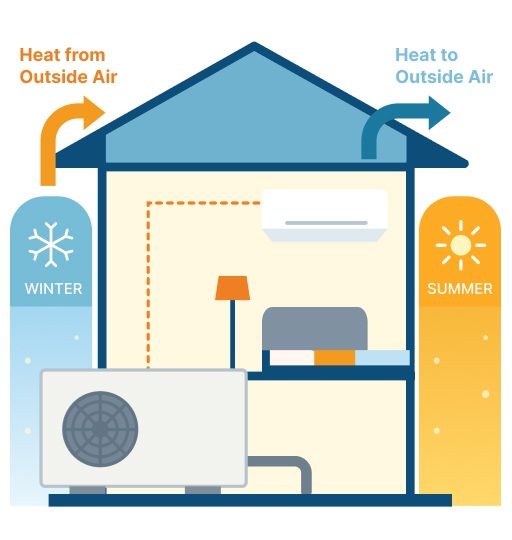
A heat pump takes a different approach. It doesn’t really “create” heat in the same way; it moves it. Even in cold weather, there is thermal energy available in the outdoor air. The heat pump extracts that energy and brings it inside. Because it transfers heat rather than generating it, it is often a much more energy-efficient heating system.
That small shift in how heat is handled ends up shaping the entire experience of each heating solution.
Day-to-Day Experience Matters More Than Specs
Most comparisons focus on numbers. Efficiency ratings, output, performance charts.
But living with the system feels different.
With a heat pump, the temperature tends to stay steady. It runs longer, but more quietly in the background. You don’t get big jumps in temperature, just a consistent, balanced feel across every room.
A furnace is more noticeable. It heats quickly, then stops, then starts again. Some people like that fast response. Others find the ups and downs a bit distracting over time.
Both systems can support solid home comfort, just in their own way.
Efficiency Isn’t Always Straightforward
A heat pump is usually seen as the more efficient heating solution, and in many cases, that’s true.
Since it’s moving heat instead of generating it, it generally uses less energy. That becomes more noticeable when the temperature isn’t extreme.
But once temperatures drop significantly, things change. A standard heat pump has to work much harder to find heat outside. This is where a furnace shines; it doesn’t rely on outdoor conditions in the same way, so it keeps delivering steady heat without slowing down.
💡Pro-Tip: Many Canadians are now choosing a Dual Fuel setup, using a heat pump for most of the year and letting a furnace take over during the coldest weeks.
Cost Feels Different Depending on Timing
The budget is always a factor for a heating solution. Upfront cost and long-term cost don’t always point in the same direction.
A furnace is often easier to install from a budget standpoint, especially if your home already has the setup. That makes it a common choice when you need a quick replacement.
A heat pump can cost more initially, but it also works as a cooling system in the summer. When you realize you're buying a heater and an air conditioner in one unit, that changes how the investment looks.
To make this transition even more affordable, homeowners should stay informed about available government incentives. For example, in Ontario, residents may be eligible for rebates of up to $7,500 for installing a cold-climate air source heat pump*. These rebates can significantly lower your initial costs, making a high-efficiency upgrade more accessible than ever.
*Note: Rebate programs and amounts change frequently based on government funding. We recommend checking with your HVAC contractor to confirm the exact rebate amount you are entitled to receive.
Usage and Maintenance Over Time
This part doesn’t get talked about enough.
Since a heat pump works year-round, providing cozy warmth in the winter and crisp cooling in the summer, this constant operation means it may require more frequent attention than a standalone furnace. Because your system is always working to keep you comfortable, a comprehensive warranty is one of the most important factors to consider when choosing an HVAC contractor in Canada.
At Polaron Comfort, we stand behind our installations with an industry-leading 12-year warranty. This ensures that your home stays perfectly tempered for over a decade, giving you total peace of mind and protecting your investment for years to come.
So, Which Heating Solution Handles Canadian Winters Best?
In the face of a harsh Canadian winter, a Dual Fuel System is widely considered the ultimate heating solution. While many modern heat pumps are now rated to operate in temperatures as low as -20°C, their overall efficiency naturally decreases as the mercury drops.
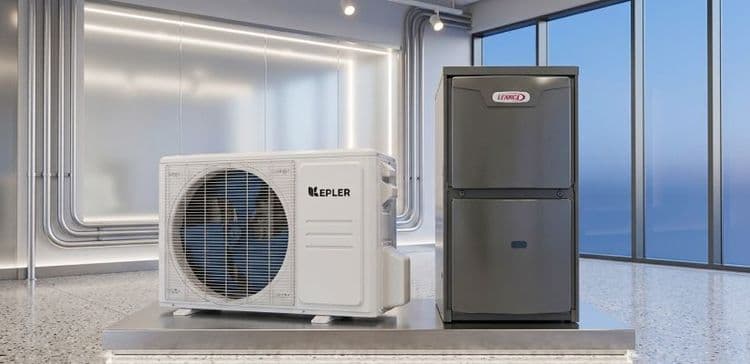
To guarantee your home stays cozy during a true deep freeze, we strongly suggest pairing your heat pump with a high-efficiency furnace. This "hybrid" setup ensures that even in extreme sub-zero weather, your furnace can step in to provide powerful, reliable warmth when the heat pump reaches its limit. It’s the smartest way to balance cutting-edge efficiency with the heavy-duty heating power that Canadian homes demand.
Final Thoughts
At some point, this decision becomes less about equipment and more about comfort.
How warm does your home feel in the morning? How steady the temperature stays during the day. Whether you notice the system running or forget it’s even there.
Both a heat pump and a furnace can deliver reliable home comfort. The right heating solution is the one that fits your space and the way you live in it.
Still struggling to choose the right heating system? Chat with Polaron’s HVAC team today for a clear, personalized guide.





.70e3bcd1.svg)
.8cbc05bd.svg)
.29c01fed.svg)
.6c51ffe3.svg)