St. Catharines Home Comfort

Sep 16, 2026

7 Mins
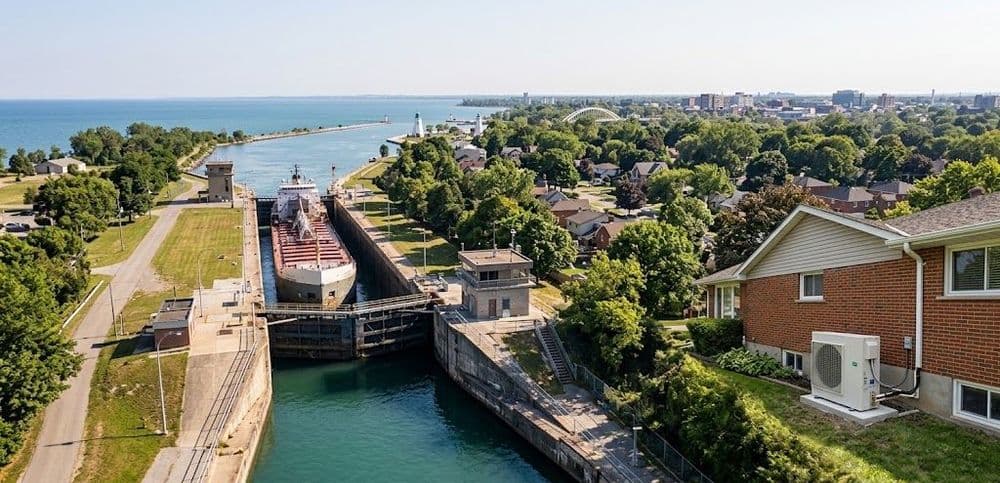
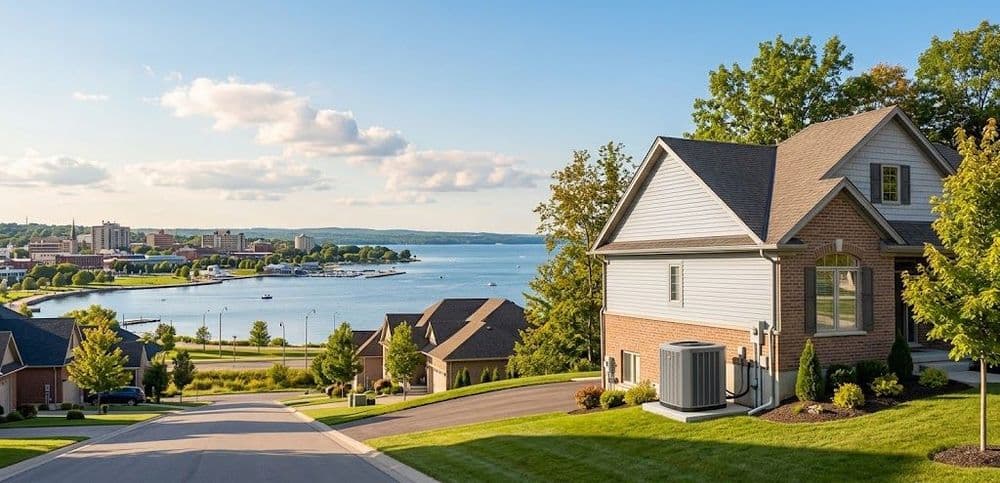
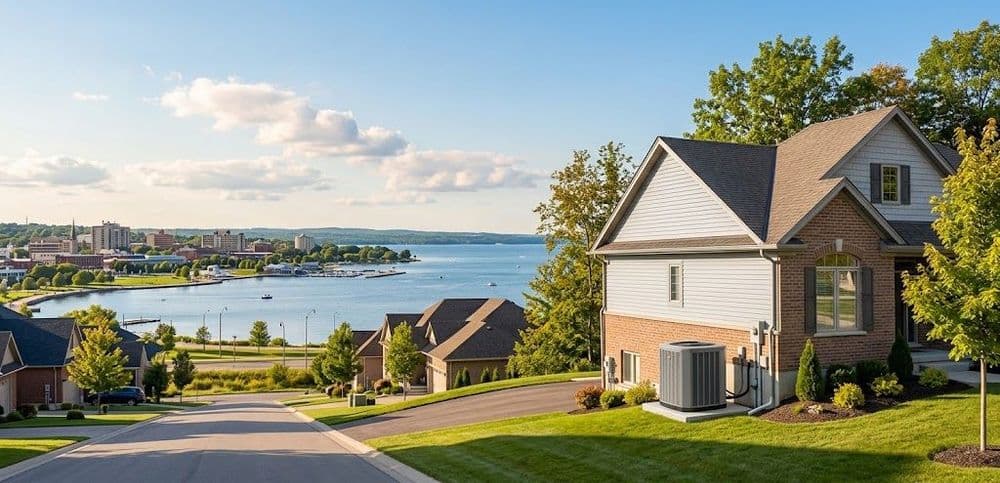
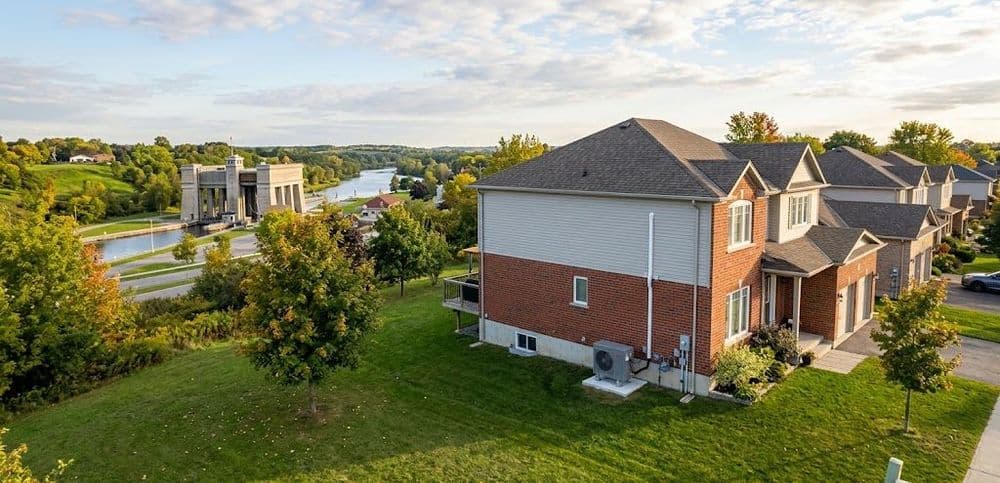
Known affectionately as "The Garden City," St. Catharines features one of the most vibrant residential landscapes in the Niagara Region. Nestled between the southern shore of Lake Ontario and the steep slopes of the Niagara Escarpment, and bisected by the historic Welland Canal, local homes range from character-filled houses in Port Dalhousie, Merritton, and Haig to mid-century family builds in Glenridge and modern developments across Grapeview, Western Hill, and Lakeport. Living in the heart of Ontario’s fruit belt means facing unique microclimates year-round—from sticky lake-effect summer humidity to crisp, windy winter freezes coming off the water.
Achieving true St. Catharines Home Comfort requires maintaining a finely tuned, interconnected mechanical system. Your heating, cooling, water heating, indoor air quality, and water filtration must all work together to protect your family’s health and keep utility expenses predictable.
With energy standards evolving and smart home technology advancing rapidly in 2026, let’s explore how you can optimize your St. Catharines property for peak efficiency and year-round performance.
The Core Pillars of St. Catharines Heating and Cooling
1. Heat Pumps: The Multi-Season Solution for Niagara Weather
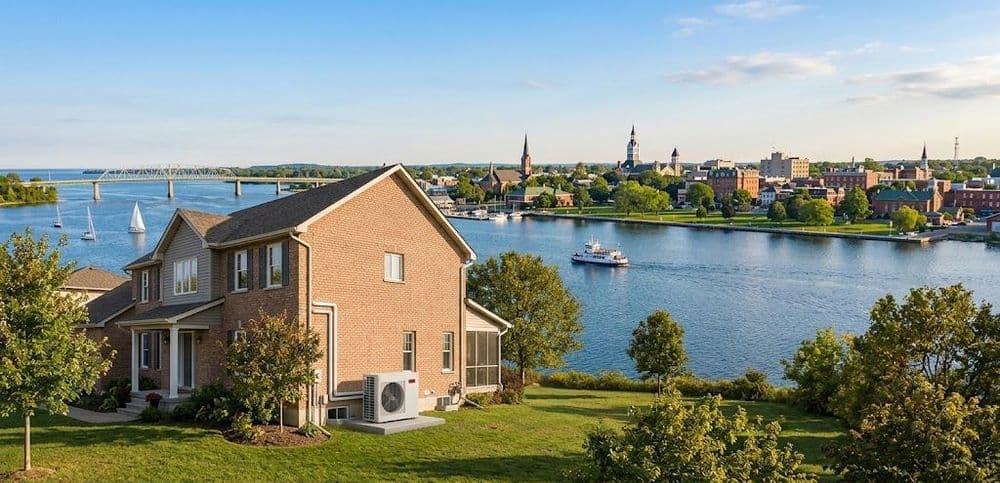
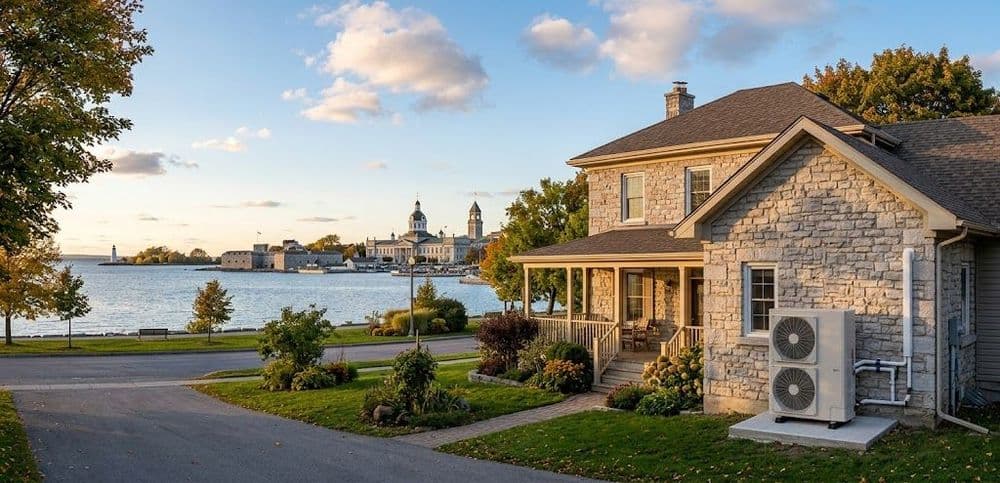
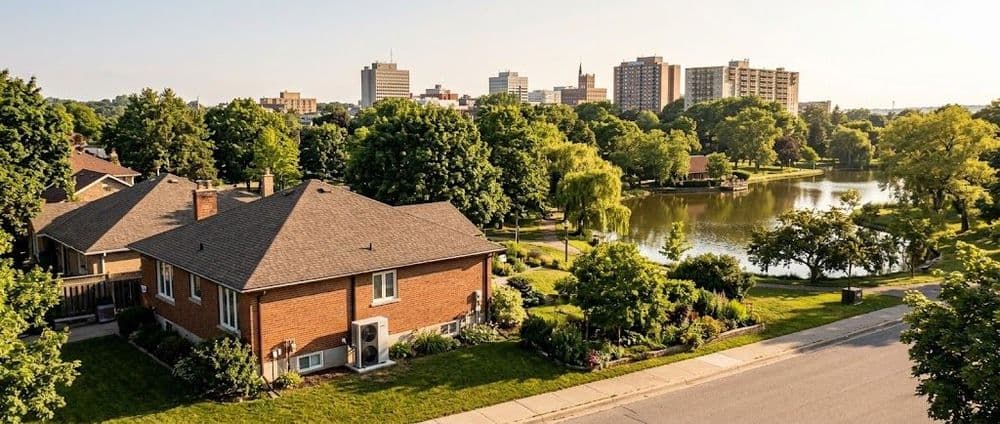
For homeowners searching for the most efficient way to navigate Niagara’s shifting seasonal weather, a cold-climate air-source heat pump has established itself as the premier option. Instead of burning fossil fuels to generate heat, a heat pump uses an advanced, reversible refrigeration system to extract ambient heat from outdoor air during winter and reverse the process to cool your home during summer.
Modern cold-climate systems operate smoothly even when outdoor temperatures dip below -25°C. Because a single outdoor unit handles both high-efficiency winter heating and high-performance summer air conditioning, you get streamlined, multi-season comfort. Transitioning to an electric or hybrid heat pump setup also qualifies your home for a substantial energy-efficient home upgrade rebate through active provincial streams, such as the Save on Energy Home Renovation Savings program.
2. High-Efficiency Furnaces: Rock-Solid Winter Security
While standalone electric heat pumps continue to surge in popularity, traditional natural gas furnaces remain a reliable staple across St. Catharines neighborhoods like Port Dalhousie, Glenridge, Merritton, Grapeview, Lakeport, Facer, Western Hill, and Power Glen.
In 2026, the most practical approach for many local households is a hybrid (dual-fuel) heating setup. By pairing a high-efficiency gas furnace with an electric heat pump, your St. Catharines heating and cooling system automatically selects the most cost-effective fuel source based on real-time outdoor temperatures. The heat pump handles mild winter days and shoulder seasons efficiently, while the gas furnace takes over as heavy-duty backup during severe mid-winter cold snaps.
3. Air Conditioners: Tackling Niagara Summer Humidity
While a dedicated air conditioner isn't mandatory if you install a whole-home heat pump, many St. Catharines homeowners still choose to run a standalone central air conditioner alongside their gas furnace.
When summer humidity rises across the Niagara Peninsula and along the Lake Ontario shoreline, reliable cooling becomes essential. Upgrading an outdated, noisy AC unit to a modern variable-speed model instantly lowers your electricity consumption. Instead of repeatedly blasting at 100% capacity—which drives up power bills—variable-speed systems run at lower, continuous speeds in the background. This steadily removes humidity from indoor air, maintaining crisp, balanced temperatures during July heatwaves.
Optimizing Your Water and Air Ecosystem
4. Tank vs. Tankless Water Heaters
How you manage hot water production heavily influences your monthly energy expenses. When evaluating your overall HVAC system St. Catharines layout, don't ignore your water heater:
- Traditional Storage Tanks: These units continuously heat and hold 40 to 60 gallons of water. While cheaper to purchase upfront, they waste standby energy keeping water hot while you sleep or work, and they can run empty during heavy morning routines.
- Tankless Water Heaters: These compact, wall-mounted units heat water instantly on demand. Upgrading to a tankless water heater St. Catharines installation gives your home an endless supply of hot water, frees up valuable floor space in your basement, and cuts gas usage by drawing energy only when a tap is open.
5. Indoor Air Quality: Advanced Filters and Clean Air
With St. Catharines’ abundance of parks, gardens, surrounding agricultural lands, and industrial corridors along the canal, maintaining healthy indoor air quality St. Catharines standards is vital. Well-sealed modern homes can trap outdoor pollen, dust, pet dander, particulate matter, and humidity inside living spaces. Standard 1-inch fiberglass filters offer minimal protection. Upgrading to a high-efficiency air filter or integrating a whole-home Energy Recovery Ventilator (ERV) ensures that air moving through your ductwork stays fresh, balanced, and free of seasonal allergens.
6. Water Treatment: Softeners and Reverse Osmosis (RO) Systems
Municipal tap water in St. Catharines is drawn from Lake Ontario and processed through regional facilities like the DeCew Falls Water Treatment Plant. While safe and thoroughly tested, Niagara water contains moderate mineral hardness (typically ranging between 7 to 9 grains per gallon or 120 to 155 mg/L). Over time, dissolved calcium and magnesium leave scale deposits that clog pipes, spot dishes, and reduce the operational lifespan of water heaters and laundry appliances.
Installing high-efficiency water softeners in St. Catharines removes these hard minerals right at your home’s main point of entry, protecting your plumbing investments. For crisp, clean drinking water at your kitchen sink, pairing a softener with a multi-stage Reverse Osmosis (RO) system effectively filters out chlorine taste, dissolved solids, and trace heavy metals.
💰Save Up to 30% with Custom Bundles
Hiring separate contractors for your furnace, air conditioner, water heater, and water filtration system can be complicated and expensive. To simplify home retrofits, Polaron Comfort offers an exclusive bundle program that lets you save up to 30% on your total system investment. By combining your HVAC upgrades with targeted water heating and filtration solutions under a single, streamlined project, you can maximize monthly utility savings while elevating whole-home comfort.
Related Articles from Polaron Comfort
- The 2026 Complete Guide to Home Comfort Systems in Modern Homes
- Heat Pump vs Furnace 2026: Finding the Right Heating Solution for Your Home
- Rent VS Own a Water Heater: The Ultimate 2026 Guide for Canadian Homeowners
- Water Treatment Solution Guide 2026: Reverse Osmosis & Water Softener
Summary
Achieving optimal St. Catharines Home Comfort requires a big-picture view of your property’s mechanical equipment. Pairing a high-efficiency heating and cooling system with clean air filtration and tailored water treatment enhances your daily living environment while protecting your property value against rising utility costs. Ready to modernize your home? Contact the team at Polaron Comfort today to design a custom, rebate-eligible comfort package!
Frequently Asked Questions
1. Do I need a home energy audit to qualify for a heat pump rebate in St. Catharines? Under the active 2026 Home Renovation Savings program, homeowners installing a standalone cold-climate heat pump can take advantage of a direct rebate pathway that does not require a pre-retrofit energy assessment.
2. Is St. Catharines' municipal tap water considered hard? St. Catharines' water, sourced from Lake Ontario via regional treatment facilities, is classified as moderately hard (typically testing between 120 and 155 mg/L or 7 to 9 grains per gallon). While safe to drink, it carries enough mineral concentration to cause gradual white scale buildup inside tankless water heaters, plumbing lines, and fixtures over time.
3. How often should I replace the HEPA or media air filter in my home comfort system? High-efficiency 4-inch media filters or whole-home air filtration systems generally require filter changes every 6 to 12 months, depending on pet ownership, local agricultural pollen levels, and household allergy sensitivities. Basic 1-inch filters, by comparison, should be checked and replaced every 60 to 90 days.


.70e3bcd1.svg)
.8cbc05bd.svg)
.29c01fed.svg)
.6c51ffe3.svg)