10 Smart Ways to Slash Your Cooling Costs This Summer

May 27, 2026

6 Mins
We’ve all experienced it: that first intense summer heatwave arrives, your air conditioner kicks into overdrive, and you brace yourself for the inevitable "sticker shock" of your next electricity bill.
With utility rates continuing to fluctuate in 2026, keeping your home crisp shouldn't feel like a financial burden. Managing your summer cooling cost isn’t just about turning off your system and sweating it out; it’s about making smart, strategic adjustments to your home’s ecosystem.
Here are 10 human-tested, expert-approved ways to maximize your indoor comfort while keeping your energy consumption low.
1. Optimize Your Thermostat Settings Strategically
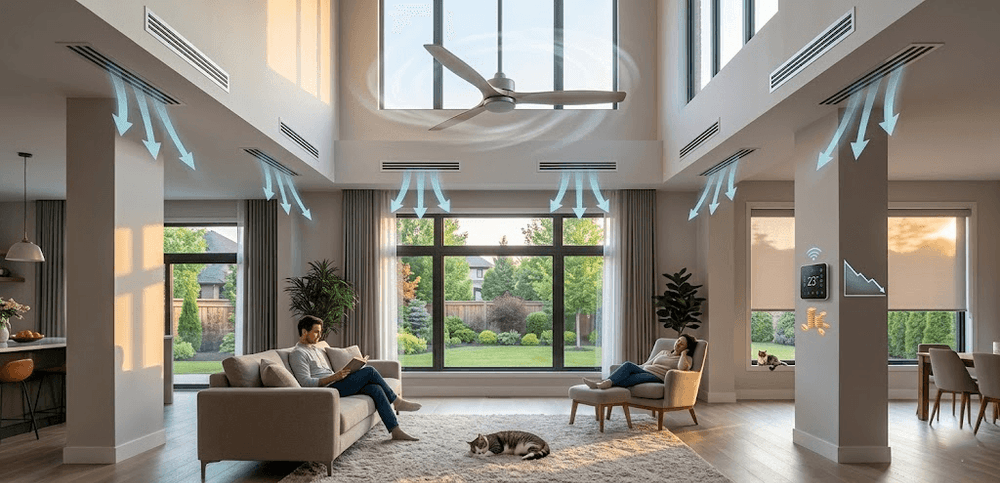
One of the most common questions asked is whether it's better to leave the AC running or turn it off when you leave. The most efficient strategy is to set your thermostat a few degrees higher (around 25°C or 77°F) when you are away from home, and lower it to your preferred comfort zone when you return. Upgrading to a smart thermostat solution can automate this entire process, shaving up to 10% to 15% off your annual energy bills without sacrificing your daily comfort.
2. Inspect and Replace Your HVAC Filters Monthly
A clogged, dusty filter restricts airflow, forcing your system to consume significantly more energy to push cool air through your vents. During peak summer usage, make it a habit to check your filter every 30 days. Replacing a dirty filter can instantly lower your air conditioner's energy consumption by 5% to 15%, dramatically reducing your monthly cooling cost.
3. Block Solar Heat with Blackout Curtains
A massive amount of unwanted heat enters your home through your windows via the "greenhouse effect." By keeping your south- and west-facing curtains or blinds closed during the sunniest parts of the day, you can block up to 70% of solar heat gain. This simple, zero-electricity trick gives your cooling unit a much-needed break.
4. Leverage Ceiling Fans Correctly (The Wind-Chill Effect)
Remember this rule: fans cool people, not rooms. Ceiling fans create a wind-chill effect on your skin, making a room feel roughly 2°C cooler than it actually is. This allows you to set your air conditioner to a higher temperature while feeling completely comfortable. Just make sure your fan blades are spinning counter-clockwise for summer operation, and turn them off when you leave the room.
5. Shift High-Heat Chores to Off-Peak Hours
Major household appliances, like your dishwasher, clothes dryer, and oven, generate massive amounts of ambient heat and humidity. Running these units in the middle of a sweltering afternoon forces your cooling system to work twice as hard. Shift these chores to late evening or early morning to protect your home comfort and take advantage of cheaper off-peak electricity rates.
6. Upgrade to a High-Efficiency System
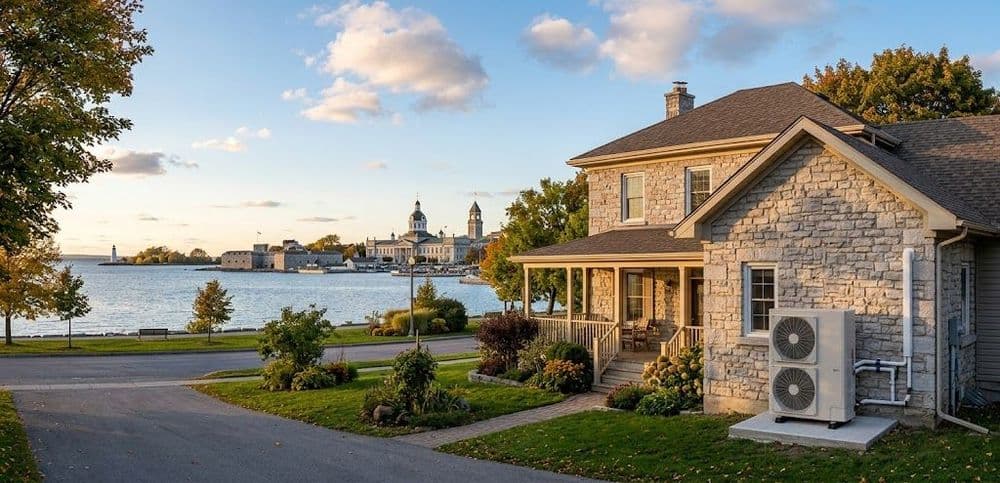
If your cooling unit is over 10 to 12 years old, its system efficiency has likely degraded significantly. Modern high-efficiency systems consume up to 30% to 50% less energy than older models. If you are looking to replace your unit, switching to an eco-friendly cold-climate heat pump or a premium variable-speed air conditioner is the ultimate long-term way to eliminate high energy bills. Plus, with flexible 0% interest financing options, upgrading can fit seamlessly into your monthly budget.
7. Keep Your Vents Clear and Unobstructed
There is a common home myth that closing vents in unused rooms saves money. In reality, modern HVAC systems are carefully balanced for your home’s specific square footage. Closing vents increases pressure within your ductwork, which can lead to leaks, uneven cooling, and even a total system breakdown. Ensure all supply and return vents are open and completely clear of furniture or drapery.
8. Unplug Heat-Generating "Vampire" Electronics
Computers, gaming consoles, television boxes, and even phone chargers generate continuous ambient heat just by being plugged in, even when turned off. During severe heatwaves, these small heat sources add up. Use smart power strips or unplug idle electronics to lower your indoor temperature naturally and give your air conditioner a break.
9. Seal the Leaks Around Windows and Doors
You wouldn’t leave your front door wide open with the AC running, but minor gaps in weatherstripping can create the exact same effect. Inspect the caulk and seals around your home's windows and exterior doors. Cracks allow your expensive, conditioned air to escape while drawing humid outdoor air inside, driving up your cooling cost.
10. Prioritize Annual Professional HVAC Maintenance
Think of your cooling system like a car; it needs preventative care to deliver peak performance. A professional technician can thoroughly clean the outdoor condenser coils, check refrigerant levels, and ensure all electrical components are running safely. This simple annual tune-up prevents emergency breakdowns on the hottest days of the year and keeps your system efficiency at an absolute maximum.
Related Articles from Polaron Comfort
-
The 2026 Complete Guide to Home Comfort Systems in Modern Homes
-
Air Conditioner Guide 2026: Keeping Your Cooling Solution Reliable for Home Comfort
-
How to Lower Your Energy Bills in 2026: Expert HVAC and Water Heater Tips
Ready to maximize your summer savings and keep your home perfectly comfortable? Contact the team at Polaron Comfort today to schedule an energy-efficiency tune-up or explore a high-performance system upgrade customized for your home!
FAQ: Most Asked Questions About Lowering Summer AC Bills
1: Does turning the AC completely off when I go to work save more money than leaving it on? Yes, it is more energy-efficient to let your home warm up while you are away and cool it down upon your return. Your system does not work "harder" to cool a warm house; it simply runs at its normal pace until it hits the target temperature, saving you hours of unnecessary cooling consumption.
2: What temperature should I set my air conditioner to in the summer? The golden standard for a balance between energy savings and indoor comfort is 24°C (75°F) when you are home, and 27°C (80°F) when you are away.
3: Why is my cooling bill so high even though I barely use the AC? This is often caused by an outdated, inefficient unit, leaky ductwork, poor attic insulation, or a severely clogged air filter. Booking a professional home energy assessment can pinpoint exactly where your energy waste is occurring.




.70e3bcd1.svg)
.8cbc05bd.svg)
.29c01fed.svg)
.6c51ffe3.svg)