Rent VS Own a Water Heater: The Ultimate 2026 Guide for Canadian Homeowners

Jun 17, 2026

6 Mins
When you move into a new home or notice your hot water getting lukewarm, you face a hidden financial crossroad that can impact your bank account for decades. Unlike almost any other appliance in your home, like your refrigerator or stove, the machine that heats your water comes with a major structural dilemma: should you buy it outright, or sign up for a monthly subscription plan?
Evaluating the choice to Rent VS Own a Water Heater is one of the most critical financial decisions you will make regarding your household utilities. While renting has been treated as the effortless, hands-off "default" choice in certain regions for generations, modern economic shifts in 2026 are forcing consumers to look closer at the true math.
Let's break down the realities of water heating contracts, the long-term benefits of purchasing your equipment, and how to choose the right system for your property.
Trend of Rent and Own Water Heaters in Canada
The practice of paying a monthly fee for hot water is unique when looking across the country. In provinces like Alberta and British Columbia, the concept of renting an appliance is practically non-existent; homeowners buy their equipment outright as part of standard home infrastructure. However, in Ontario, a legacy system created by utility monopolies decades ago trained millions of residents to automatically accept monthly rental bills.
In 2026, the trend is shifting rapidly toward full ownership. Homeowners are pushing back against open-ended contracts that carry escalating monthly fees, high buyout penalties, and strict exit clauses. Many families are finding that after a decade of payments, they have paid three to four times the actual retail value of a builder-grade tank. As a result, consumer awareness is driving an absolute surge in homeowners breaking free from multi-decade rental cycles and transitioning to standalone home comfort investments.
The Benefits of Owning a Water Heater
While rental companies promote their "zero upfront cost" and free service calls, purchasing your water heating system outright or utilizing a structured financing plan delivers distinct advantages over the long run:
1. Significant Lifetime Financial Savings
A typical storage tank water heater costs roughly $25 to $35 per month to rent, while premium high-efficiency units or tankless models can range from $60 to over $100 per month. Since a quality water heater typically lasts 12 to 15 years, a rental system can cost you anywhere from $4,500 to over $10,000 over its operational lifespan. Purchasing and installing your own unit generally costs a fraction of that total, meaning the system fully pays for itself within the first five to seven years.
2. Hassle-Free Home Sales
If you plan to sell your house, an active water heater rental contract can easily derail a real estate transaction. Buyers in 2026 are highly cautious about inheriting mandatory, non-negotiable monthly fees. Owning your equipment outright removes any legal liens, simplifies your property listing, and adds legitimate, unencumbered value to your home.
3. Complete Freedom of Choice
When you break free from standard utilities, you are no longer limited to low-efficiency, builder-grade units. You gain the freedom to select advanced, eco-friendly models that align with your exact household size, efficiency goals, and brand preferences. Plus, you can pair your system with a comprehensive heating and cooling solution to maximize your entire home's energy savings.
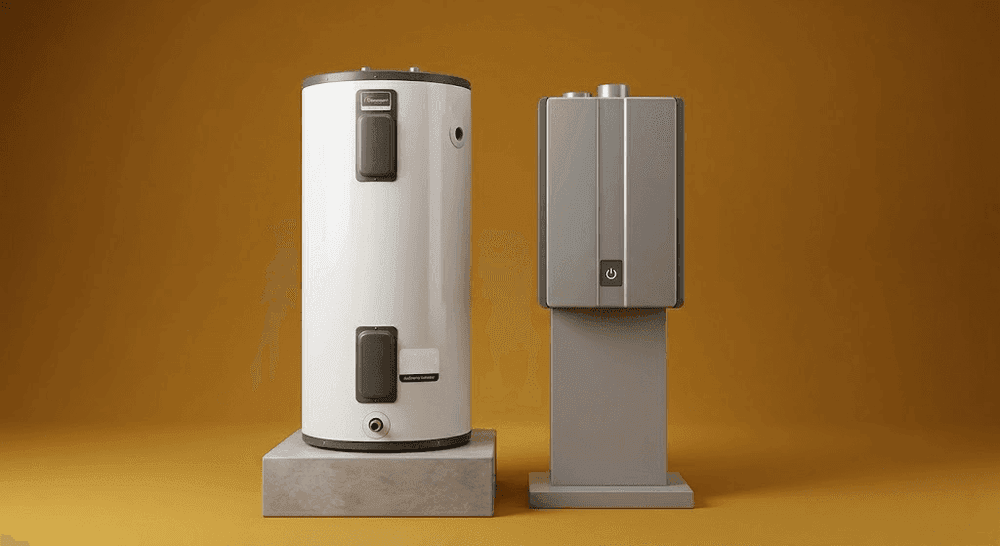
Tank VS Tankless Water Heater
Once you choose the path of ownership, your next step is selecting the core mechanics of your system. The debate between traditional storage tanks and on-demand systems comes down to lifestyle and space:
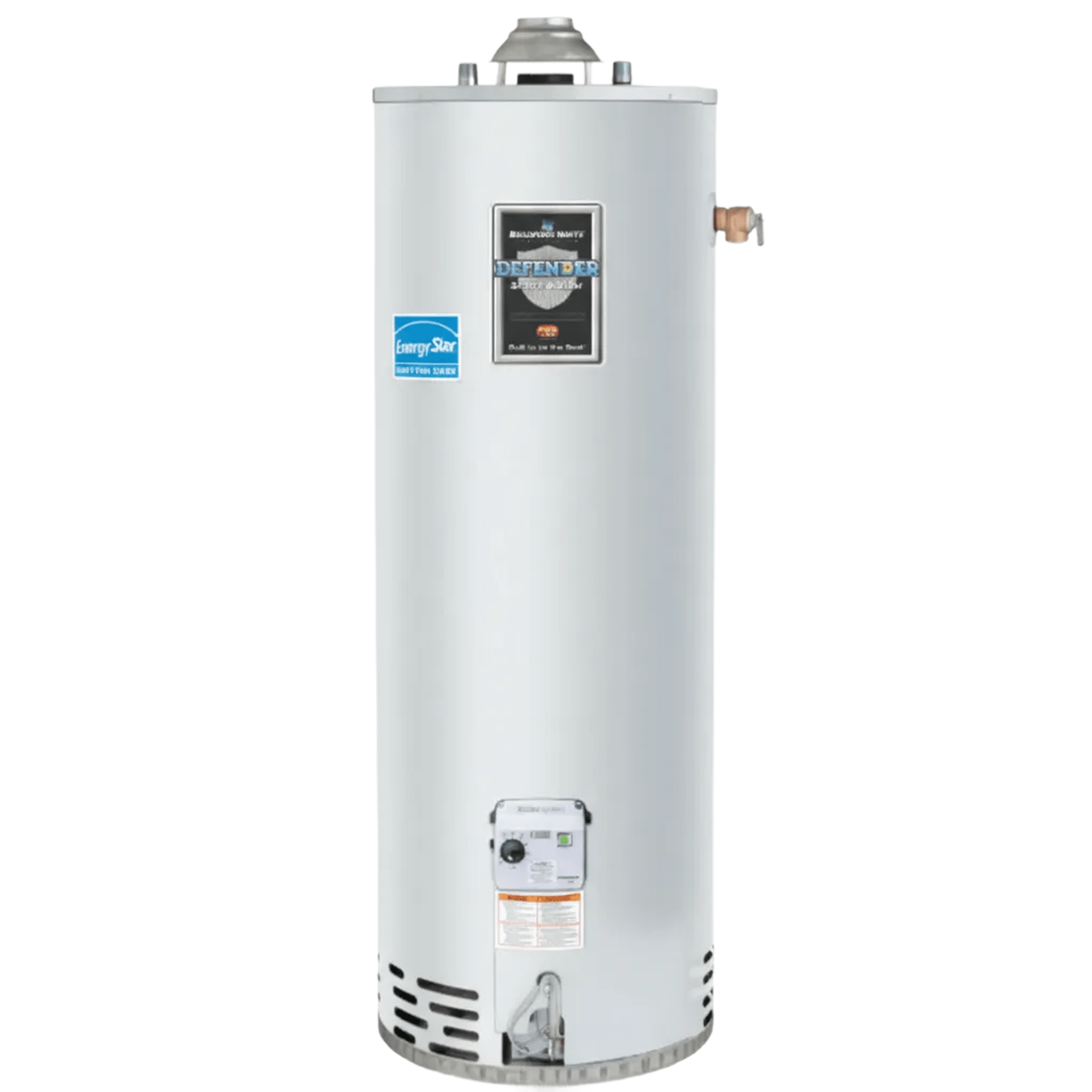
Traditional Storage Tank Water Heaters
-
How They Work: These tank water heating systems keep a large volume of water (typically 40 to 60 gallons) constantly heated inside an insulated tank, ready to use at any time.
-
Pros: Lower initial equipment purchase price and simple installation parameters.
-
Cons: They suffer from "standby energy loss" because they continuously burn energy to keep water hot even when you are asleep or at work. Additionally, if your family uses up the storage capacity, you have to wait for the tank to refill and reheat.
Tankless (On-Demand) Water Heaters
-
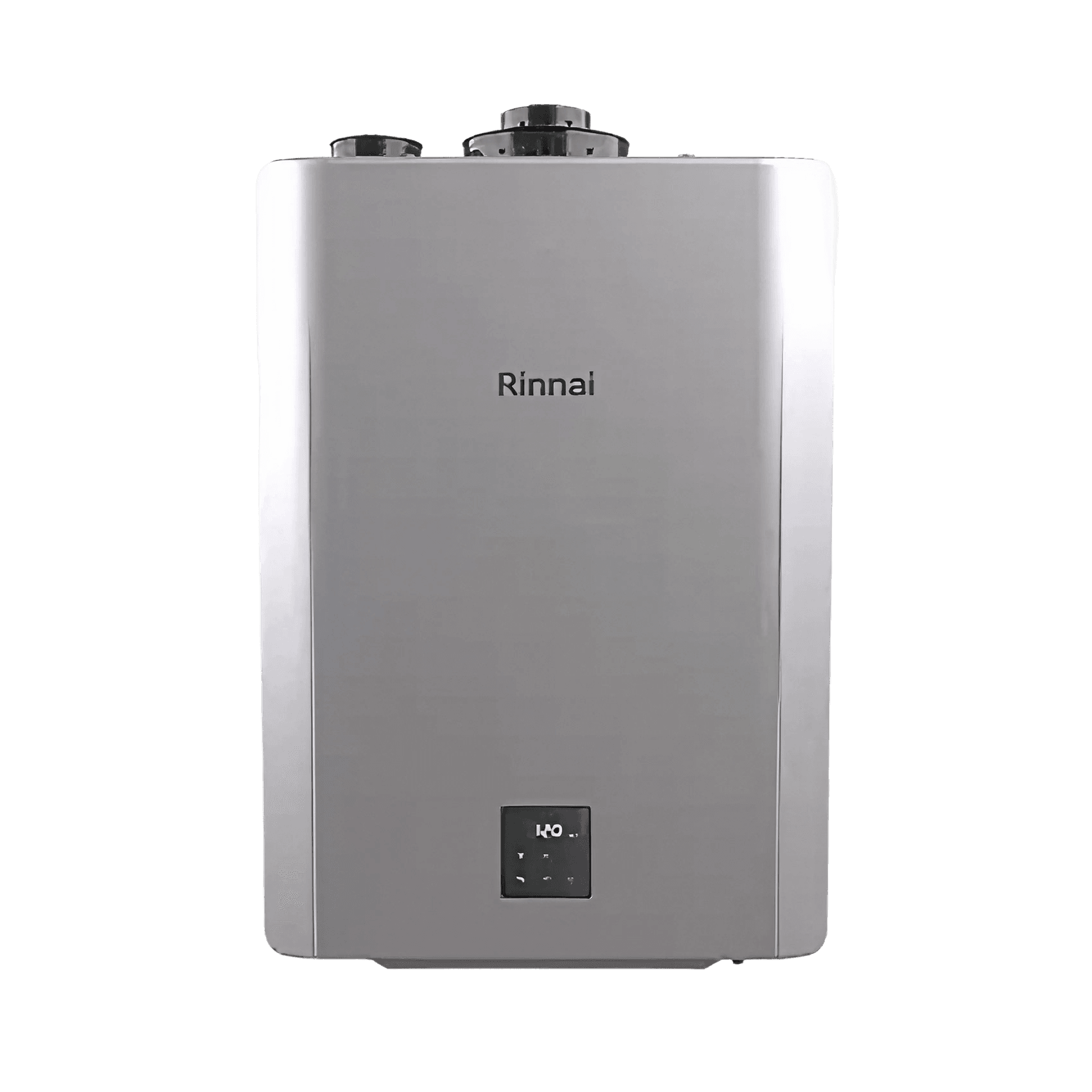
How They Work: These compact, wall-mounted units do not store any water. Instead, when you turn on a hot tap, high-powered gas burners or electric elements instantly flash-heat the water as it flows through the machine.
-
Pros: They offer an endless supply of hot water, save significant basement floor space, and boast up to 96% to 98% efficiency because they only consume energy when a tap is actively open.
-
Cons: Higher initial upfront installation cost, though this is heavily mitigated over time by lower monthly gas bills and a lifespan that is nearly double that of a traditional tank. Upgrading to an energy-efficient tankless water heater is often the smartest choice for large or busy families.
Related Articles from Polaron Comfort
-
Water Treatment Solution Guide 2026: Reverse Osmosis & Water Softener
-
The 2026 Complete Guide to Home Comfort Systems in Modern Homes
-
How to Lower Your Energy Bills: Expert HVAC and Water Heater Tips
-
Water Heater Guide 2026: A Reliable Home Solution for Everyday Home Comfort
Ready to stop paying endless rental bills and take total control of your home utility costs? Contact the experts at Polaron Comfort today to receive a professional water heating assessment and find the perfect, high-efficiency system for your household!
FAQ: Most Asked Questions About Water Heaters
1. Can I buy out my current water heater rental contract at any time?
Yes, you can legally request a buyout quote from your rental provider. The cost is calculated based on the age and model of the unit. Many homeowners find that paying the one-time buyout fee to end the contract immediately saves them thousands of dollars in cumulative fees over the remainder of the unit's lifespan.
2. If I own my water heater, am I responsible for repairs?
Yes, as the owner, maintenance falls under your care. However, new high-quality systems come backed by robust manufacturer warranties that cover key components (like the heat exchanger or tank shell) for up to 10 to 15 years. You can also protect your peace of mind with budget-friendly protection plans without being locked into an escalating rental contract.
3. How often do water heaters need to be maintained?
To maximize your system efficiency and prevent premature failure, a traditional tank should be drained and flushed annually to remove sediment. Tankless systems operating in hard-water regions like Ontario should be professionally descaled every 12 to 24 months to keep the heating elements clear of scale buildup.


.70e3bcd1.svg)
.8cbc05bd.svg)
.29c01fed.svg)
.6c51ffe3.svg)