About/Blog/Polaron Comfort Service Area: Bringing Premium HVAC Solutions Closer to Home

Polaron Comfort Service Area: Bringing Premium HVAC Solutions Closer to Home

Polaron Comfort Service Area: Bringing Premium HVAC Solutions Closer to Home
calendar

May 27, 2026

Finding a reliable heating and cooling provider can feel like a gamble. You find a highly reviewed company online, only to discover at checkout that your home sits just outside their delivery boundaries, or worse, they charge an outrageous "travel fee" just to look at your system.

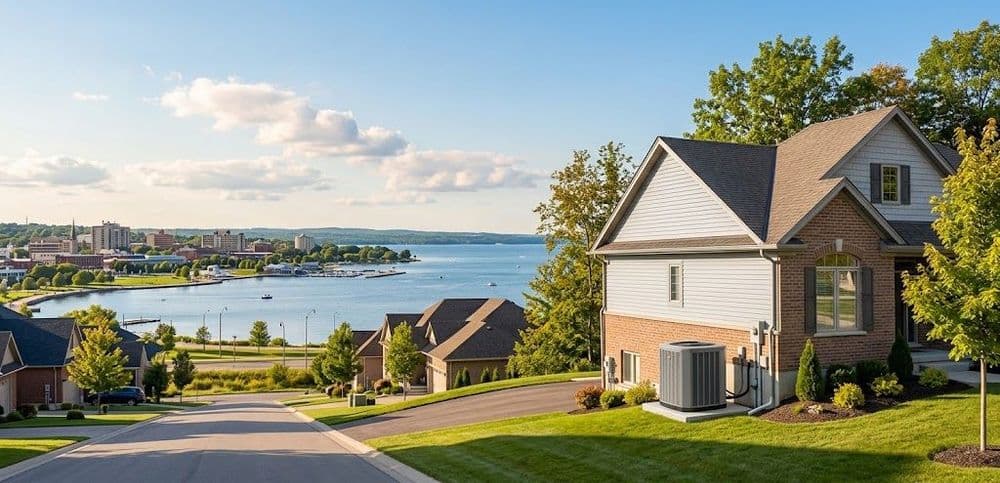
We believe that every homeowner deserves access to fast, affordable, and energy-efficient climate control. The Polaron Comfort service area spans a massive footprint across both Ontario and Nova Scotia, ensuring that whether you live in a bustling urban center or a quiet coastal town, top-tier home solutions are always just a phone call away.

Where is the Polaron Comfort Service Area?

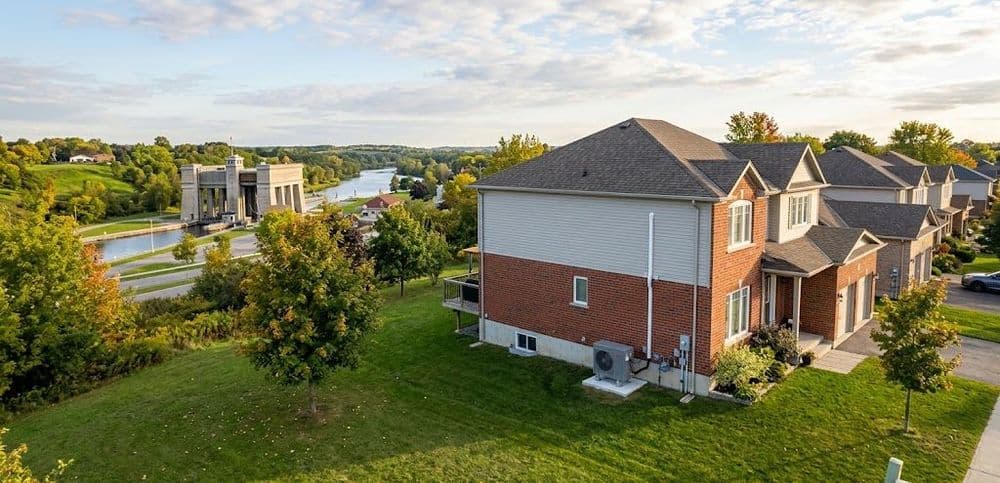
Our team operates across a wide network of regional hubs to provide seamless scheduling, quick emergency responses, and local expertise. The core of our Polaron comfort service area includes:

Ontario Service Coverage:

  • The Greater Toronto Area (GTA): Covering Toronto, Scarborough, North York, Markham, Mississauga, Brampton, and surrounding municipalities.

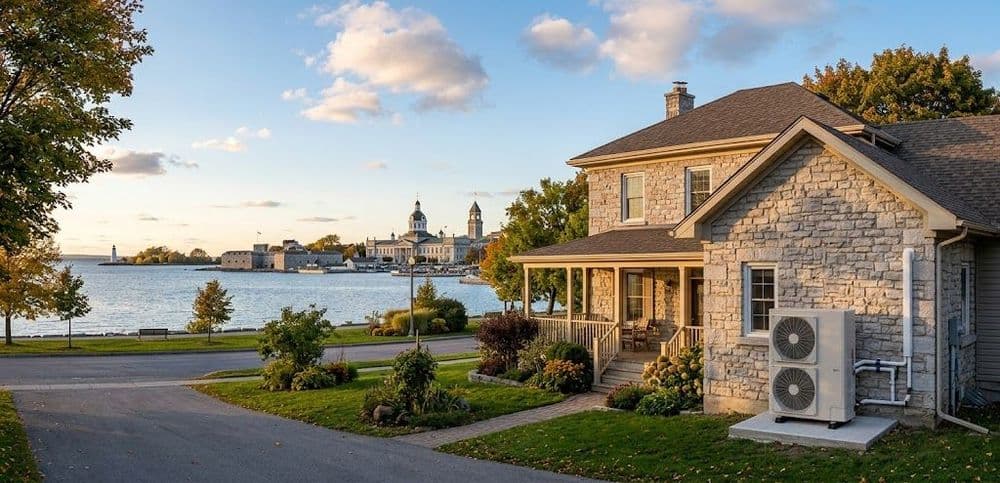
  • Eastern Ontario: Delivering reliable heating and cooling to Kingston and neighboring communities.

  • Southwestern Ontario: Providing full equipment upgrades and maintenance in London, Kitchener, Waterloo, and Cambridge.

  • Northern & Central Ontario: Ensuring communities as far north as Parry Sound have rugged, winter-ready HVAC systems.

Nova Scotia Service Coverage:

  • Central & Southern Mainland Nova Scotia: Our dedicated East Coast service zone covers the Halifax Regional Municipality (HRM), extending north through Truro and New Glasgow, and stretching down the South Shore to Lunenburg and surrounding coastal communities.

No matter where you are located within our boundaries, you receive the exact same 5-star customer experience, access to 0% interest financing, and our industry-leading 10-year parts and labour warranty.

Why Choosing a Local Provider Matters

A home equipment upgrade isn't just about "installing a box." It requires a deep understanding of local climates, municipal building codes, and regional financial incentives. Choosing a provider well-established in your specific area offers distinct advantages:

1. Maximizing Regional Rebates

The rebate landscape varies drastically depending on your province and utility provider. Because we operate daily within these regions, our experts know exactly how to maximize your savings. Whether it is Ontario’s Home Renovation Savings (HRS) program or Efficiency Nova Scotia’s lucrative heat pump, we help you secure up to thousands in subsidies.

2. Fast Response Times for Ultimate Indoor Comfort

When your air conditioner breaks down during a humid summer spell, or your furnace cuts out in a mid-winter freeze, you don’t want to wait days for a technician to drive in from another region. Our localized dispatch teams ensure that certified professionals arrive promptly to restore your home's climate.

3. Customized Climate Packages

A home in Barrie or New Glasgow faces different winter demands than a condo in downtown Toronto. Our technicians utilize their knowledge of regional weather patterns to customize a home comfort solution that optimizes your system efficiency without over-engineering your setup.

Related Articles from Polaron Comfort

Ready to upgrade your home’s climate system with a team that knows your neighborhood? Contact the experts at Polaron Comfort today to schedule your free, no-obligation home assessment!

FAQ: Most Asked Questions About Our Service Area

1. How do I verify if my address is inside the Polaron comfort service area?

The easiest way is to contact our customer care team directly. If you are located anywhere within the GTA, Ottawa, London, Parry Sound, or the mainland core of Nova Scotia (Halifax, Truro, New Glasgow, Lunenburg), you are fully covered!

2. Do you offer the same 0% financing deals across all provinces?

Yes! Our flexible, stress-free 0% interest financing plans and exclusive bundle offers are standardized across our entire HVAC service areas in both Ontario and Nova Scotia.

3. Can I get emergency service if I live outside the major city centers?

We deliberately position our mobile service units throughout suburban and rural corridors (like the Annapolis Valley borders and the South Shore in Nova Scotia) to ensure fast response times for homes located outside major metropolitan hubs.

4: Are your technicians licensed to work in my specific municipality?

Absolutely. Every technician on our team is fully licensed, provincial/TSSA-certified, insured, and thoroughly trained to comply with all local provincial building codes and safety standards.
< PreviousNext >

Read More

Choosing the Right Air Conditioner Size for Your House
CalendarMay 27, 2026

Choosing the Right Air Conditioner Size for Your House

When summer temperatures climb, a reliable cooling system becomes the heart of your home. However, one of the biggest mistakes homeowners make when upgrading their system is guessing the capacity they need. Buying a cooling unit isn't like buying a television; bigger is not always better, and smaller will leave you sweating through a heatwave. Finding the correct [**Air Conditioner**](https://polaroncomfort.com/heating-cooling) **size** is a precise balancing act. The right dimensions will keep your home uniformly crisp, regulate indoor humidity, and keep your utility bills low. Let's break down how cooling capacity is measured, why basic online calculators often fail, and how to find the perfect fit for your home. ## **Understanding the Basics: Tons vs. BTUs** When HVAC professionals talk about **Air Conditioner size**, they aren’t referring to the physical dimensions of the outdoor metal box. Instead, they are measuring its cooling capacity. This capacity is expressed in two primary terms: - **BTU (British Thermal Unit):** This measures the amount of heat an AC unit can remove from your home in one hour. - **Tons (Tonnage):** Residential systems are typically classified by tons. **One ton of cooling capacity equals 12,000 BTUs per hour.** Most residential homes require a system that ranges anywhere from 1.5 tons (18,000 BTUs) up to 5.0 tons (60,000 BTUs), scaling upward in half-ton increments.  ## **The Regional "Rule of Thumb" vs. Real Standards** If you type your floor area into a basic online calculator, it will likely output a generic estimate based on a standard rule of thumb. In Canada, a very loose structural estimate is **1 ton of cooling for every 750 to 1,000 square feet** of conditioned floor space. Using that rough math, a breakdown typically looks like this: - **1,000 to 1,500 sq ft:** 1.5 to 2.0 Tons (18,000 – 24,000 BTUs) - **1,500 to 2,000 sq ft:** 2.0 to 2.5 Tons (24,000 – 30,000 BTUs) - **2,000 to 2,500 sq ft:** 2.5 to 3.5 Tons (30,000 – 42,000 BTUs) However, [under Canadian building guidelines (such as the CSA F280 standard)](https://natural-resources.canada.ca/sites/nrcan/files/energy/pdf/Final_NG_Mechanicals%20Decision%20Guide_E_rev.pdf), determining your Air Conditioner size based solely on square footage is inaccurate. Two identical 2,000-square-foot homes can require completely different tonnages. A modern home built with tight insulation, low-E windows, and premium weatherstripping traps cool air effortlessly. Conversely, a century-old brick home with drafty windows and minimal insulation lets heat pour in, meaning it will require a much higher BTU output to maintain the exact same level of home comfort. ## **The Dangers of Getting the Size Wrong** Guessing your capacity creates structural issues inside your home. An incorrectly sized unit hurts your wallet and your comfort in two distinct ways: ### **If the System is Too Large (Oversized)** Many assume that an oversized system is a luxury because it cools the house down incredibly fast. In reality, an oversized unit causes a destructive process known as **short-cycling**. The unit turns on, blasts cold air, satisfies the thermostat in a few minutes, and shuts off. Because it shuts down so quickly, it never runs long enough to perform its secondary job: removing moisture from the air. This leaves you with a home that feels cold, clammy, and humid. Furthermore, constant stopping and starting spikes your electricity consumption and causes premature component failure. ### **If the System is Too Small (Undersized)** An undersized unit will run continuously without ever reaching your target temperature. During a severe heatwave, a small unit will struggle against the outdoor thermal load, causing your monthly cooling costs to skyrocket while your upper floors remain uncomfortably warm. ## **How the Pros Calculate Your Custom Sizing** To guarantee a reliable [cooling solution](https://polaroncomfort.com/heating-cooling), a certified technician will perform a comprehensive **heat loss and heat gain load calculation**. This detailed mathematical audit evaluates: - The exact orientation of your home (south-facing windows experience far more solar heat gain). - The insulation R-values in your walls, attic, and basement floors. - The layout of your existing ductwork and its airflow capacity. - Local climate design temperatures and regional humidity trends. ## **Related Articles from Polaron Comfort** - [Air Conditioner Guide 2026: Keeping Your Cooling Solution Reliable for Home Comfort](https://polaroncomfort.com/blog/air-conditioner-guide-for-better-home-comfort-2026) - [The 2026 Complete Guide to Home Comfort Systems in Modern Homes](https://polaroncomfort.com/blog/the-2026-complete-guide-to-home-comfort-systems-in-modern-homes) - [Heat Pump Guide 2026: A More Practical Heating and Cooling Solution for Home Comfort](https://polaroncomfort.com/blog/heat-pump-guide-2026-a-more-practical-heating-and-cooling-solution-for-home-comfort) Stop guessing when it comes to your home’s climate control. [Contact the experienced team at Polaron Comfort today](https://polaroncomfort.com/contact) for a professional home cooling assessment. We will calculate the perfect system size for your property and keep your home perfectly crisp all summer long! ## **FAQ: Most Asked Questions About AC Sizing** **1: What size AC do I need for a 2,000 sq ft house?** On average, a 2,000-square-foot home typically requires between a 2.5-ton and 3.0-ton air conditioner (30,000 to 36,000 BTUs). However, the precise capacity can only be verified by inspecting your home's insulation, layout, and window exposure. **2: How do I find out the size of my current air conditioner?** Manufacturers do not print the tonnage directly on the yellow EnergyGuide label. Instead, look at the data plate on your outdoor unit and locate the model number. Look for a two-digit number divisible by 12. For example, if the model number contains "24", it represents 24,000 BTUs, meaning you currently have a 2-ton system. **3: Can a variable-speed air conditioner fix a slight sizing mistake?** Yes. Modern variable-speed compressors and [cold-climate heat pumps](https://polaroncomfort.com/heating-cooling) can scale their output up or down dynamically. Instead of turning completely on or off, they adjust their capacity to match the exact cooling load of the house, offering a more forgiving and highly energy-efficient operation.

10 Smart Ways to Slash Your Cooling Costs This Summer
CalendarMay 27, 2026

10 Smart Ways to Slash Your Cooling Costs This Summer

We’ve all experienced it: that first intense summer heatwave arrives, your [**air conditioner**](https://polaroncomfort.com/heating-cooling) kicks into overdrive, and you brace yourself for the inevitable "sticker shock" of your next electricity bill. With utility rates continuing to fluctuate in 2026, keeping your home crisp shouldn't feel like a financial burden. Managing your summer **cooling cost** isn’t just about turning off your system and sweating it out; it’s about making smart, strategic adjustments to your home’s ecosystem. Here are 10 human-tested, expert-approved ways to maximize your **indoor comfort** while keeping your energy consumption low. ## **1\. Optimize Your Thermostat Settings Strategically** One of the most common questions asked is whether it's better to leave the AC running or turn it off when you leave. The most efficient strategy is to set your thermostat a few degrees higher (around 25°C or 77°F) when you are away from home, and lower it to your preferred comfort zone when you return. Upgrading to a smart [thermostat solution](https://polaroncomfort.com/smart-home) can automate this entire process, shaving up to 10% to 15% off your annual energy bills without sacrificing your daily comfort. ## **2\. Inspect and Replace Your HVAC Filters Monthly** A clogged, dusty filter restricts **airflow**, forcing your system to consume significantly more energy to push cool air through your vents. During peak summer usage, make it a habit to check your filter every 30 days. Replacing a dirty filter can instantly lower your **air conditioner**'s energy consumption by 5% to 15%, dramatically reducing your monthly **cooling cost**. ## **3\. Block Solar Heat with Blackout Curtains** A massive amount of unwanted heat enters your home through your windows via the "greenhouse effect." By keeping your south- and west-facing curtains or blinds closed during the sunniest parts of the day, you can block up to 70% of solar heat gain. This simple, zero-electricity trick gives your cooling unit a much-needed break. ## **4\. Leverage Ceiling Fans Correctly (The Wind-Chill Effect)** Remember this rule: fans cool people, not rooms. Ceiling fans create a wind-chill effect on your skin, making a room feel roughly 2°C cooler than it actually is. This allows you to set your **air conditioner** to a higher temperature while feeling completely comfortable. Just make sure your fan blades are spinning counter-clockwise for summer operation, and turn them off when you leave the room. ## **5\. Shift High-Heat Chores to Off-Peak Hours** Major household appliances, like your dishwasher, clothes dryer, and oven, generate massive amounts of ambient heat and humidity. Running these units in the middle of a sweltering afternoon forces your cooling system to work twice as hard. Shift these chores to late evening or early morning to protect your **home comfort** and take advantage of cheaper off-peak electricity rates. ## **6\. Upgrade to a High-Efficiency System** If your cooling unit is over 10 to 12 years old, its system efficiency has likely degraded significantly. Modern high-efficiency systems consume up to 30% to 50% less energy than older models. If you are looking to replace your unit, switching to an eco-friendly [cold-climate heat pump](https://polaroncomfort.com/heating-cooling) or a premium variable-speed air conditioner is the ultimate long-term way to eliminate high energy bills. Plus, with flexible **0% interest financing options**, upgrading can fit seamlessly into your monthly budget. ## **7\. Keep Your Vents Clear and Unobstructed** There is a common home myth that closing vents in unused rooms saves money. In reality, modern **HVAC** systems are carefully balanced for your home’s specific square footage. Closing vents increases pressure within your ductwork, which can lead to leaks, uneven cooling, and even a total system breakdown. Ensure all supply and return vents are open and completely clear of furniture or drapery. ## **8\. Unplug Heat-Generating "Vampire" Electronics** Computers, gaming consoles, television boxes, and even phone chargers generate continuous ambient heat just by being plugged in, even when turned off. During severe heatwaves, these small heat sources add up. Use smart power strips or unplug idle electronics to lower your indoor temperature naturally and give your **air conditioner** a break. ## **9\. Seal the Leaks Around Windows and Doors** You wouldn’t leave your front door wide open with the AC running, but minor gaps in weatherstripping can create the exact same effect. Inspect the caulk and seals around your home's windows and exterior doors. Cracks allow your expensive, conditioned air to escape while drawing humid outdoor air inside, driving up your **cooling cost**. ## **10\. Prioritize Annual Professional HVAC Maintenance** Think of your cooling system like a car; it needs preventative care to deliver peak performance. A professional technician can thoroughly clean the outdoor condenser coils, check refrigerant levels, and ensure all electrical components are running safely. This simple annual tune-up prevents emergency breakdowns on the hottest days of the year and keeps your **system efficiency** at an absolute maximum. ## **Related Articles from Polaron Comfort** - [The 2026 Complete Guide to Home Comfort Systems in Modern Homes](https://polaroncomfort.com/blog/the-2026-complete-guide-to-home-comfort-systems-in-modern-homes) - [Air Conditioner Guide 2026: Keeping Your Cooling Solution Reliable for Home Comfort](https://polaroncomfort.com/blog/air-conditioner-guide-for-better-home-comfort-2026) - [How to Lower Your Energy Bills in 2026: Expert HVAC and Water Heater Tips](https://polaroncomfort.com/blog/how-to-lower-your-energy-bills-in-2026-expert-hvac-and-water-heater-tips) Ready to maximize your summer savings and keep your home perfectly comfortable? [Contact the team at Polaron Comfort today](https://polaroncomfort.com/contact) to schedule an energy-efficiency tune-up or explore a high-performance system upgrade customized for your home! ## **FAQ: Most Asked Questions About Lowering Summer AC Bills** **1: Does turning the AC completely off when I go to work save more money than leaving it on?** Yes, it is more energy-efficient to let your home warm up while you are away and cool it down upon your return. Your system does not work "harder" to cool a warm house; it simply runs at its normal pace until it hits the target temperature, saving you hours of unnecessary cooling consumption. **2: What temperature should I set my air conditioner to in the summer?** The golden standard for a balance between energy savings and indoor comfort is 24°C (75°F) when you are home, and 27°C (80°F) when you are away. **3: Why is my cooling bill so high even though I barely use the AC?** This is often caused by an outdated, inefficient unit, leaky ductwork, poor attic insulation, or a severely clogged air filter. Booking a professional home energy assessment can pinpoint exactly where your energy waste is occurring.

The 2026 Guide to the Efficiency Nova Scotia Heat Pump Rebate
CalendarMay 27, 2026

The 2026 Guide to the Efficiency Nova Scotia Heat Pump Rebate

With winter chills and humid Atlantic summers defining the East Coast climate, keeping utility bills predictable is a major priority for homeowners. If you are still relying on an outdated oil furnace or baseboard heaters, you are likely overpaying to keep your home comfortable. Fortunately, 2026 brings some of the most aggressive green funding in Canadian history. The **Efficiency Nova Scotia heat pump rebate** program has transitioned into a highly comprehensive framework designed to maximize your household savings. By upgrading to an eco-friendly heat pump, you can significantly slash your heating costs, add a premium cooling solution for the summer, and get thousands of dollars back in government funding. Let’s look at how the 2026 rebate channels operate, how the technology works, and how to claim your share. ## **What is the Efficiency Nova Scotia Heat Pump Rebate?** The **Efficiency Nova Scotia heat pump rebate** program is a collection of provincial and federal financial incentives managed under one localized umbrella. The initiative is designed to transition Nova Scotian properties away from carbon-intensive heating (like oil or fossil fuels) and inefficient electric baseboards toward high-performance electrification. Depending on your current primary heating source and your household income, the program streams offer anywhere from thousands of dollars in standard upgrades to completely free home retrofits valued up to **$30,000**. ## **How Does a Heat Pump Work in an East Coast Home?** To understand why Nova Scotia is investing so heavily in this technology, it helps to look at the mechanics. Many homeowners believe that a [heat pump](https://polaroncomfort.com/heating-cooling) creates heat using a flame or electrical element, similar to a traditional furnace. [In reality, it doesn’t _create_ heat at all, it simply **moves heat from one place to another.**](https://polaroncomfort.com/blog/heat-pump-guide-2026-a-more-practical-heating-and-cooling-solution-for-home-comfort) - **In the Winter (Heating Mode):** Even during crisp, damp Atlantic winter days down to -25°C, there is still ambient thermal energy present in the outdoor air. This heat is transferred directly to your indoor coils, and your home’s blower circulates clean, cozy warmth through your rooms. - **In the Summer (Cooling & Dehumidification Mode):** The system automatically reverses the process. It acts as a heavy-duty **air conditioner**, drawing warm air and heavy humidity out of your living spaces, absorbing the heat and pumping it outdoors. Because transferring heat requires far less electricity than creating it by burning oil or running high-draw baseboards, modern cold-climate heat pumps achieve **200% to 300% system efficiency**. For every one unit of electricity the system consumes, it delivers up to three units of climate control back into your home, resulting in massive utility savings. ## **The 2026 Rebate Landscape: Program Streams** The program is engineered to provide the largest financial rewards to the households that stand to reduce emissions and energy costs the most: - **The** [**Oil to Heat Pump Affordability (OHPA) Program**](https://www.efficiencyns.ca/programs-rebates/oil-to-heat-pump-affordability-program)**:** If your home is currently heated primarily by oil, you can access substantial funding. Through the OHPA stream, qualified low-to-median-income households can receive up to **$15,000** to cover the absolute total cost of buying and installing a cold-climate air-source heat pump, including oil tank removal and required electrical panel upgrades. - **The** [**Moderate Income Rebate (MIR)**](https://www.efficiencyns.ca/programs-rebates/moderate-income-rebate)**:** For households that fall within specific moderate-income thresholds but do not heat with oil, the MIR program offers thousands back for centrally ducted systems or multiple mini-split configurations. For oil-heated homes that meet the income limits, the MIR and OHPA programs can be **stacked together for a massive total of up to $30,000**, making the upgrade virtually free. - **The** [**Home Energy Assessment (HEA)**](https://www.efficiencyns.ca/tools-and-resources/energy-efficient-products/heat-pump-rebates) **Stream:** If you do not meet the income-qualified criteria, you can still save significantly through the standard HEA stream. By booking a home energy assessment with a Registered Energy Advisor ($199 fee), general market homeowners can unlock up to **$5,000** back on centrally ducted heat pumps or multiple mini-split systems. ## **How to Secure Your Efficiency Nova Scotia Heat Pump Rebate** To make sure your application goes through smoothly and is easily indexed by program auditors, follow these critical steps: 1. **Verify Your Primary Heating Source:** Gather your past 12 months of utility or fuel delivery bills (especially if verifying over 500 liters of oil consumption for the OHPA stream). 2. **Apply Before You Buy:** For the income-qualified streams, you must submit your application on the Efficiency Nova Scotia portal and receive a case number _before_ any equipment is purchased or installed. 3. **Choose an Approved HVAC Contractor:** All installations must be executed by a certified professional. Partnering with a trusted provider like [Polaron Comfort](https://polaroncomfort.com/) ensures your equipment is selected from the officially approved NRCan product list, protecting your rebate eligibility. 4. **Complete the Post-Retrofit Evaluation:** If your stream requires an energy audit, your advisor will return to verify the installation, accelerating your direct-deposit rebate check. ## **Related Articles from Polaron Comfort** - [The 2026 Complete Guide to Home Comfort Systems in Modern Homes](https://polaroncomfort.com/blog/the-2026-complete-guide-to-home-comfort-systems-in-modern-homes) - [Heat Pump Guide 2026: A More Practical Heating and Cooling Solution for Home Comfort](https://polaroncomfort.com/blog/heat-pump-guide-2026-a-more-practical-heating-and-cooling-solution-for-home-comfort) - [Heat Pump vs Furnace 2026: Finding the Right Heating Solution for Your Home](https://polaroncomfort.com/blog/heat-pump-vs-furnace-2026-finding-the-right-heating-solution-for-your-home) Ready to maximize your East Coast savings and experience ultimate indoor comfort? [Contact the experts at Polaron Comfort today](https://polaroncomfort.com/contact) to find the perfect, rebate-eligible heat pump system for your Nova Scotia home! ## **FAQ: Most Asked Questions About Nova Scotia Heat Pump Rebates** **1: Do I absolutely need an energy audit to get a heat pump rebate in NS?** If you are applying through the standard [Home Energy Assessment (HEA)](https://www.efficiencyns.ca/tools-and-resources/energy-efficient-products/heat-pump-rebates) or Moderate Income streams, a professional energy audit is required to map out your home's baseline efficiency. However, certain standalone elements of the [OHPA program](https://www.efficiencyns.ca/programs-rebates/oil-to-heat-pump-affordability-program) allow paths to bypass this requirement if you are directly executing a complete oil-to-heat-pump conversion. **2: What are the household income limits for the [Moderate Income Rebate](https://www.efficiencyns.ca/programs-rebates/moderate-income-rebate)?** Income eligibility is calculated based on the number of people in your home. For example, a 2-person household can have a net income up to $77,050, while a 4-person household limit scales up to $120,750 to qualify for the enhanced funding brackets. **3: Can I finance the remaining balance of my HVAC system?** Yes. Nova Scotia Power customers can often access specialized financing options, or you can take advantage of flexible 0% interest financing options directly through your installation provider.

The 2026 Guide to the Home Renovation Savings (HRS) Heat Pump Rebate
CalendarMay 27, 2026

The 2026 Guide to the Home Renovation Savings (HRS) Heat Pump Rebate

Tired of watching your hard-earned money leak out through your monthly utility bills? You aren't alone. In 2026, homeowners across Ontario are actively making the switch to smart electrification, thanks to a major provincial funding initiative. If you’ve been thinking about modernizing your heating and cooling setup, the **Home Renovation Savings (HRS) Heat Pump Rebate** is the single best financial catalyst available right now. Delivered through a partnership between Save on Energy, Enbridge Gas, and the Ontario Government, this program is designed to heavily offset the upfront costs of upgrading to clean energy. Let’s dive into how the program works, what you can save, and why the clock is ticking to claim your share. ## **What is the HRS Heat Pump Rebate?** The [**Home Renovation Savings (HRS) Heat Pump Rebate**](https://www.homerenovationsavings.ca/) provides substantial financial incentives for homeowners who switch to high-efficiency heating and cooling. Unlike past provincial programs that came with rigid, confusing barriers, this stream has a major, consumer-friendly feature: **You do not need a home energy assessment (energy audit) if you are just upgrading your heating and cooling unit.** Depending on how your home is currently heated, the program offers up to **$7,500** back for a cold-climate air-source heat pump and up to **$12,000** back for a ground-source (geothermal) system. ## **How Does a Heat Pump Work in a House?** To understand why governments are providing such massive rebates for this technology, it helps to understand how it functions. Many people assume a heat pump creates heat the way a traditional gas furnace or electric baseboard does. I[n reality, it doesn’t _create_ heat at all, it simply **moves heat from one place to another.**](https://polaroncomfort.com/blog/heat-pump-guide-2026-a-more-practical-heating-and-cooling-solution-for-home-comfort) - **In the Winter (Heating Mode):** Even when Ontario temperatures drop below freezing, there is still thermal energy present in the outdoor air. The heat is transferred to your indoor coils, and your home’s blower fan circulates warm air through your vents. - **In the Summer (Cooling Mode):** The system completely reverses itself. It acts exactly like a traditional [**air conditioner**](https://polaroncomfort.com/heating-cooling), drawing warm air from inside your rooms and pumping it outdoors to leave your indoor air crisp and dehumidified. Because moving heat requires significantly less electricity than burning fossil fuels or using electric resistance coils, modern cold-climate heat pumps operate at up to **300% efficiency**. That means for every one unit of electricity used, you get three units of climate control back. ## **Breakdown of Rebate Rates** The program is engineered to incentivize the homes that stand to reduce emissions and energy costs the most. Here is how the funding breaks down based on your primary heating fuel: - **Non-Gas Homes (Electric, Oil, Propane, or Wood):** If your home connects to the Ontario electricity grid but relies on these traditional fuels, you qualify for up to **$1,250 per ton**, maxing out at **$7,500** for a qualified [cold-climate air-source system](https://polaroncomfort.com/heating-cooling). - **Enbridge Natural Gas Homes:** If you heat your home with natural gas, you can qualify for up to **$500 per ton**, maxing out at **$2,000** back. Many homeowners use this option to install a flexible [hybrid heating solution](https://polaroncomfort.com/blog/heat-pump-vs-furnace-2026-finding-the-right-heating-solution-for-your-home) that pairs an electric heat pump with their existing gas furnace. ## **Eligibility & The Fine Print** To secure the **Home Renovation Savings (HRS) Heat Pump Rebate**, your project must meet a few strict criteria: 1. **Property Type:** You must own the single-detached, semi-detached, townhome, row house, or mobile home on a permanent foundation where the unit will be installed (landlords are eligible, but the owner must apply). 2. **Certified Equipment:** The system must be an active, qualified model listed on [Natural Resources Canada’s (NRCan)](https://natural-resources.canada.ca/energy-efficiency/electric-heat-pumps) database. 3. **Mandatory Pre-Approval:** This is critical. You must work with a participating, registered HVAC contractor to get mandatory pre-approval _before_ any installation work begins. Retroactive applications are completely disqualified. Because program terms, funding caps, and application windows are subject to change over time, acting quickly is essential. Locking in your pre-approval early ensures you secure your subsidy before capacity limits are reached or regional terms shift. ## **The Path to Your Installation** Navigating a provincial rebate shouldn’t feel like a part-time job. Securing your funding is a straightforward process: - Confirm your baseline eligibility on the official portal. - Team up with an approved professional for your custom [heat pump installation](https://polaroncomfort.com/heating-cooling). - Submit your technical project details for mandatory pre-approval. - Complete the installation and receive your rebate check. If you are looking to execute a wider energy-efficient home upgrade, such as bundling insulation, draft-proofing, or window retrofits alongside your heat pump, you can choose the home energy assessment path to unlock up to an additional $7,700 in building envelope incentives. Polaron Comfort is here to simplify the application process. We verify the eligible units and have a thorough understanding of the rebate process. We ensure every step is completed properly so you can get the great system and savings you deserve. [Get a heat pump quote today](https://polaroncomfort.com/contact) with Polaron Comfort’s professional HVAC team. ## **Related Articles from Polaron Comfort** - [Heat Pump Guide 2026: A More Practical Heating and Cooling Solution for Home Comfort](https://polaroncomfort.com/blog/heat-pump-guide-2026-a-more-practical-heating-and-cooling-solution-for-home-comfort) - [What Is HVAC and How Does It Really Work in Your Home](https://polaroncomfort.com/blog/what-is-hvac-and-how-does-it-really-work-in-your-home) - [Thermostat Guide 2026: Improve Home Comfort with Better System Efficiency](https://polaroncomfort.com/blog/thermostat-guide-2026-improve-home-comfort-with-better-system-efficiency) Ready to maximize your provincial savings and modernize your home comfort? [Contact the experts at Polaron Comfort today](https://polaroncomfort.com/contact) to find the perfect, rebate-eligible system for your household! ## **FAQ: Most Asked Questions About the HRS Heat Pump Rebate** **1\. Do I need an energy audit to claim the heat pump rebate?** No. If you are applying solely for individual heat pumps, heat pump water heaters, or smart thermostats under the [Home Renovation Savings program](https://www.homerenovationsavings.ca/), a pre- and post-retrofit home energy assessment is completely optional. **2: Can this rebate be stacked with other programs?** Absolutely. For instance, if you currently heat your home with oil, the [federal Oil to Heat Pump Affordability (OHPA) program](https://natural-resources.canada.ca/energy-efficiency/home-energy-efficiency/canada-greener-homes-initiative/oil-heat-pump-affordability-program) can be stacked right on top of your HRS rebate, providing an additional $10,000 in funding.

How Home Air Quality Stops Allergic Reactions
CalendarMay 13, 2026

How Home Air Quality Stops Allergic Reactions

Spring in Canada is a season of renewal, but for many homeowners, it’s also the start of the "sneezing season." As pollen counts skyrocket, your home should be a sanctuary, not a source of irritation. The secret to finding relief isn't just in a pill bottle; it’s in your indoor air quality (IAQ). By optimizing your home’s [HVAC system](https://polaroncomfort.com/heating-cooling) and air filtration, you can effectively trap allergens before they reach your lungs. ## 1. Upgrade Your Air Filtration Your air conditioner and furnace work by circulating air, but if your filter is clogged or low-grade, it’s just moving pollen from room to room. To combat spring allergies, look for a filter with a higher MERV rating. MERV stands for Minimum, Efficiency, Reporting and Value. A MERV 11 or 13 filter is designed to capture microscopic particles like pollen, mold spores, and even bacteria. If you want the gold standard, consider a HEPA filter integration. All HEPA filters have a rating of a MERV 17 or higher, which removes 99.97% of airborne particles. Ensuring your [air filtration](https://polaroncomfort.com/air-purification) is up to date is the first step in creating an allergy-free zone. ## 2. Control Ventilation with an HRV When it’s beautiful outside, the temptation is to crack open the windows. However, this is an open invitation for tree and grass pollen to settle on your furniture and carpets. Instead, rely on a Heat Recovery Ventilator (HRV). This system brings in fresh outdoor air but passes it through a filter first, exhausted "stale" air while keeping the allergens out. It’s a sophisticated home solution that keeps your air fresh without the watery eyes. ## 3. Manage Indoor Humidity Spring isn’t just about pollen; it’s also about moisture. High humidity can lead to mold growth in basements and bathrooms, which is a major allergy trigger. Maintaining a balanced humidity level (between 30-50%) ensures that dust mites don't thrive and mold stays away. If your indoor comfort feels heavy or damp, a whole-home dehumidifier paired with your HVAC system can make a world of difference. ## 4. The Role of Whole-Home Air Purifiers While portable units are popular, [a whole-home air purifier](https://polaroncomfort.com/air-purification) installed directly into your ductwork provides a comprehensive [heating and cooling solution](https://polaroncomfort.com/heating-cooling). These systems use UV light or electronic charging to "zap" allergens and neutralize odors, ensuring every breath you take in every room is clean. ![A home with a air purifier ](https://cms.polaroncomfort.com/uploads/portrait_beautiful_asian_woman_stretching_her_body_her_arms_after_she_wake_up_feel_sleepy_her_bedroom_home_98c54b6a07.jpg) ## Most Asked Questions About Spring Allergies at Home ### 1. Why are my allergies worse when I’m inside my house? This is often due to "indoor pollution." Pollen hitches a ride on your clothes and pets, then gets trapped inside. Without proper system efficiency and filtration, these particles circulate indefinitely through your vents. ### 2. Can a dirty AC unit cause allergies? Yes. If your [air conditioner](https://polaroncomfort.com/heating-cooling) has moisture buildup or a dirty coil, it can grow mold or blow accumulated dust into your living spaces. An annual spring tune-up is essential for allergy prevention. ### 3. How often should I change my HVAC filter during pollen season? During high-pollen months, you should check your filter every 30 days. If it looks grey or fuzzy, change it immediately to maintain high air quality and prevent strain on your system. ### 4. Does a humidifier help with allergies? It can help soothe dry nasal passages, but be careful, too much humidity can encourage dust mites and mold. Balance is key to home comfort. ## Related Articles from Polaron Comfort - [The 2026 Complete Guide to Home Comfort Systems in Modern Homes](https://polaroncomfort.com/blog/the-2026-complete-guide-to-home-comfort-systems-in-modern-homes) - [Water Treatment Solution Guide 2026: Reverse Osmosis & Water Softener for Better Home Comfort](https://polaroncomfort.com/blog/water-treatment-solution-guide-2026-reverse-osmosis-and-water-softener-for-better-home-comfort) Tired of sneezing in your own living room? [Contact the experts at Polaron Comfort today](https://polaroncomfort.com/contact) for an Indoor Air Quality assessment and take control of your home environment this spring!

The 2026 Complete Guide to Home Comfort Systems in Modern Homes
CalendarMay 11, 2026

The 2026 Complete Guide to Home Comfort Systems in Modern Homes

If you’ve ever walked into a house and instantly felt “this just feels right,” that’s home comfort at work. It’s not just about blasting the AC in summer or cranking the furnace in winter. It’s more subtle than that. The air feels fresh, the consistent temperature doesn’t swing too much, and nothing really demands your attention. Most people don’t think about it until something goes wrong. A room feels stuffy. The water takes too long to heat. One side of the house is always warmer than the other. That’s usually when home comfort starts becoming a priority. ## What Is a Home Comfort System? A home comfort system isn’t one single machine. It’s more like a group of systems that all play their part and work in harmony. You’ve got your heating, cooling, airflow, water heating, and even small things like thermostats. On their own, each one does a job. But real home comfort comes from how they work together. A lot of homeowners upgrade one piece and expect everything to improve overnight. Sometimes it helps. But if the rest of the setup is outdated, the results feel… incomplete. ## The Core Components of Home Comfort: HVAC Systems To really understand home comfort, it helps to look at the main pieces involved. Each one affects how your home feels differently. HVAC stands for Heating, Ventilation, and Air Conditioning. These systems do more than just blow air; they regulate your indoor temperature, balance humidity, and maintain the air quality you breathe every day. Think of your HVAC setup as the "heart" of your home. Whether it’s a furnace, heat pump, air conditioner, humidifier, or air purification system, these components work together to maintain your comfort year-round. When your HVAC system is doing its job well, you barely notice it, and that’s exactly how it should be. However, when things start to drift, you’ll pick up on small shifts. Maybe the air feels uncomfortably dry in the winter, or your electricity bills are suddenly climbing. Perhaps the system is running much longer than it used to just to reach the right temperature. These are the first signs that your home comfort might need a professional check-up to get things back in balance. ### 1. Heating Systems: Furnaces and Heat Pumps When winter hits, heating becomes the backbone of home comfort. Traditionally, most homes rely on either [a furnace or a heat pump](https://polaroncomfort.com/heating-cooling), but each has its own strengths: Furnaces are straightforward. They generate heat and push it through the home, providing reliable warmth even on the coldest days. Heat pumps work a bit differently. They move heat instead of creating it, which can make them more efficient and an excellent choice for cooling your home in the summer. For the harsh Canadian climate, the best heating solution is often a combination of both. A Dual Fuel System pairs a furnace with a heat pump to give you the best of both worlds. When temperatures are above freezing, but you still need warmth, the heat pump efficiently keeps you cozy. When the mercury drops into a deep freeze, the furnace automatically steps in to provide the heavy-duty heating power you need. In the summer, the heat pump reverses its role to remove heat from your home, keeping you perfectly cool. There’s no universal “better” option. It depends on your home, your climate, and even how you use your space. But one thing is clear, your heating setup has a direct impact on your daily home comfort and the cost ### 2. Cooling Systems: Air Conditioners and Heat Pumps Cooling sounds simple, but it’s often where home comfort starts to break down. You set a temperature, but the house doesn’t feel consistent. One room is cool, another is warm, and you keep adjusting the thermostat, hoping it balances out. A high-quality air conditioner does more than just lower the temperature—it also manages humidity and optimizes airflow. If you already have a reliable heating source and are only looking for a summer [cooling solution](https://polaroncomfort.com/heating-cooling), a standalone air conditioner is often the most straightforward choice. However, for many Canadian homes, a heat pump is an even smarter alternative. Because a single unit handles both heating and cooling, it is incredibly efficient and helps you save on energy bills year-round. When paired with a smart thermostat, the system automatically adjusts itself to maintain your preferred settings. This means you can stop "fighting" with your thermostat and simply enjoy a perfectly tempered home through every season. ### 3. Smart Thermostats [Thermostats](https://polaroncomfort.com/smart-home) don’t get much attention, but they have a quiet influence on home comfort. A smart thermostat can learn your routine, adjust temperatures automatically, and help avoid unnecessary energy use. It’s not a dramatic upgrade, but it’s one you notice over time. Instead of constantly tweaking settings, your home temperature starts to feel more stable. ### 4. Indoor Air Quality: Air Purifiers and Air Humidifier Air quality is easy to overlook. You can’t always see it, and most of the time you get used to it, , but your Indoor Air Quality (IAQ) is a component of your HVAC system that you simply cannot ignore. If the air feels heavy or dusty, it affects how you feel in the space. Allergies, odors, or even just a lack of freshness can make a home feel uncomfortable, even when the thermostat says the temperature is fine. - **Air purifier:** Upgrading to a high-efficiency [air purifier](https://polaroncomfort.com/air-purification) works to capture airborne particles as they circulate through your home. By removing pollutants and allergens from the air you breathe, and ensuring proper ventilation, you can significantly improve your daily well-being. - **Air Humidifier:** In the heart of a Canadian winter, an [air humidifier](https://polaroncomfort.com/air-purification) is a must-have. When your heating system runs 24/7, it strips the moisture from the air. This dry environment can lead to itchy skin, dry throats, and even nosebleeds. A simple humidifier attached to your furnace or heat pump solves this problem instantly, adding the perfect amount of moisture back into your home for a truly comfortable winter. ## Water Heating: Tank vs. Tankless Systems Who doesn’t love a hot shower to start the morning? We often take hot water for granted until it suddenly runs out. Traditionally, many Canadian homes rely on a storage [tank water heater](https://polaroncomfort.com/water-heating). These systems keep a large volume of water heated and ready for use at all times, providing peace of mind and a steady supply for the whole family. However, [tankless water heaters](https://polaroncomfort.com/water-heating) are becoming the modern standard for energy-conscious homeowners. This "on-demand" technology changes the way you use hot water by heating it only as it flows through the unit. This means: - **Endless Hot Water:** You’ll never run out, even if you’re the last one in the shower. - **Energy Savings:** Since the unit doesn't heat water 24/7, you stop paying to heat water you aren't using. - **Low Maintenance:** Modern tankless systems are designed for long-term reliability with minimal upkeep. Whether you choose a high-efficiency tank or a space-saving tankless system, the goal remains the same: reliable. ## Signs Your Home Comfort Needs an Upgrade Not every issue is obvious right away. But over time, patterns start to show. If you’ve noticed your home isn't as cozy as it used to be, it might be sending you a message. Here are a few common signs that your home comfort might need attention: - **Inconsistent Temperatures:** Some rooms feel like a sauna, while others are freezing. - **Spiking Utility Bills:** Energy costs are higher than expected despite normal usage. - **Frequent Repairs:** Systems need constant servicing just to keep running. - **Poor Air Quality:** Air feels stale, dusty, or dry. - **Water Woes:** Hot water doesn’t last as long. If a few of these sound familiar, it might be time to take a closer look at your setup. ## Building a Complete Home Comfort Solution Improving [home comfort](https://polaroncomfort.com/) doesn’t always mean starting from scratch. In most cases, it’s about understanding what’s working, identifying the gaps, and making smart, gradual improvements. A truly complete home comfort solution focuses on four main pillars: - **Reliable heating and cooling:** Systems that provide even, consistent temperatures year-round. - **Breathable Air:** Advanced filtration and ventilation for a healthier environment. - **Efficient Water Heating:** On-demand or high-efficiency tanks that never leave you in the cold. - **Smart Controls:** Simple, intuitive thermostats that put you in charge of your climate. When these pieces start working together, the overall experience changes. Your home feels more consistent, and managing it becomes easier. ## Final Thoughts on Home Comfort There isn't a "one-size-fits-all" fix for home comfort; it is all about finding the right balance for your specific space. Some homes need a boost in heating power, while others require cleaner air or better energy efficiency. If you’re ready to see how your home can perform better, let a professional team guide the way. [Contact Polaron Comfort today](https://polaroncomfort.com/contact) for an expert investigation into how we can help you achieve the perfect home environment.