Welland Home Comfort

Sep 17, 2026

7 Mins
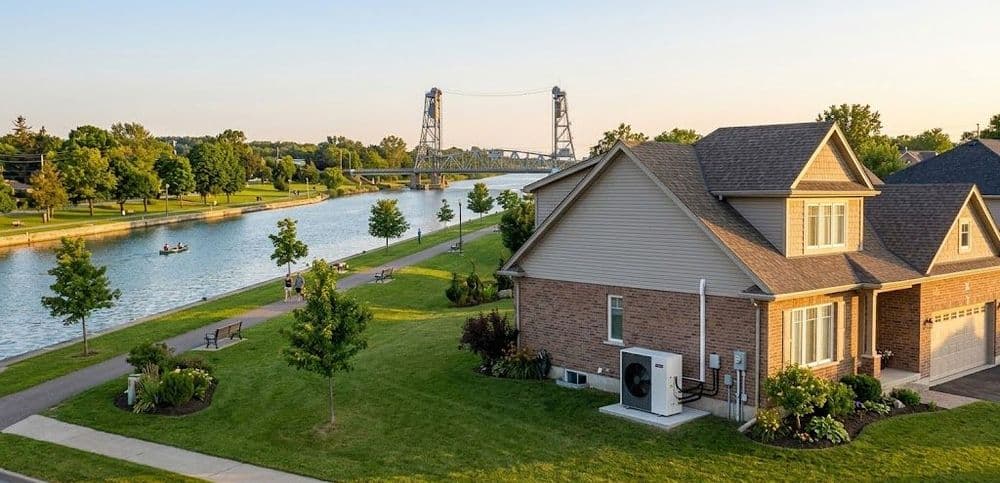
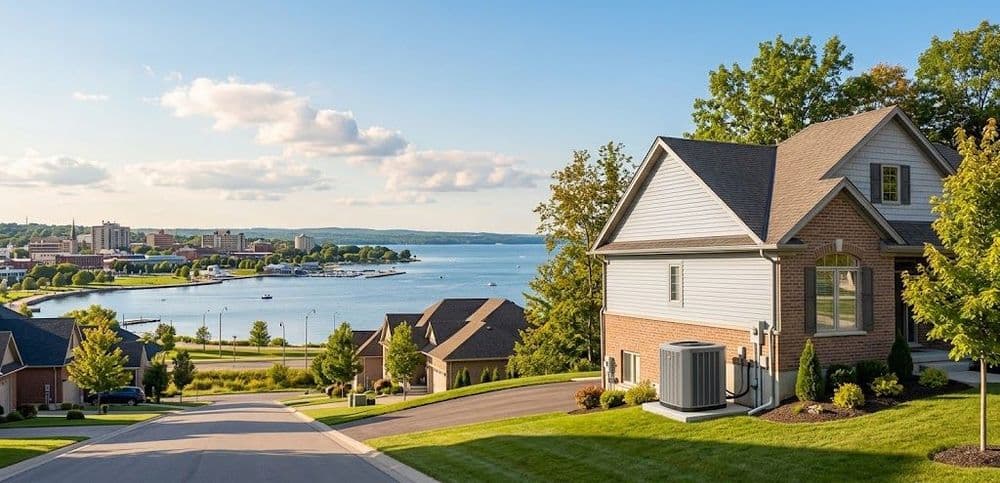
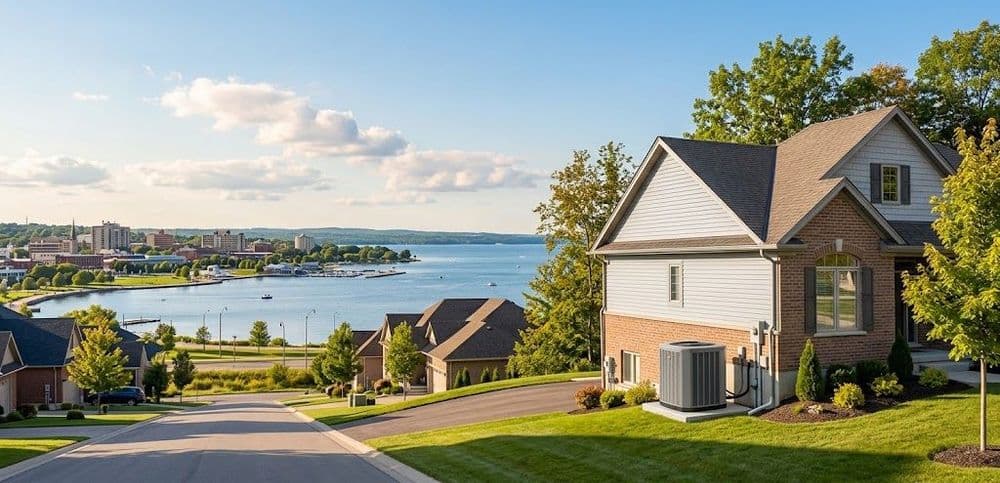
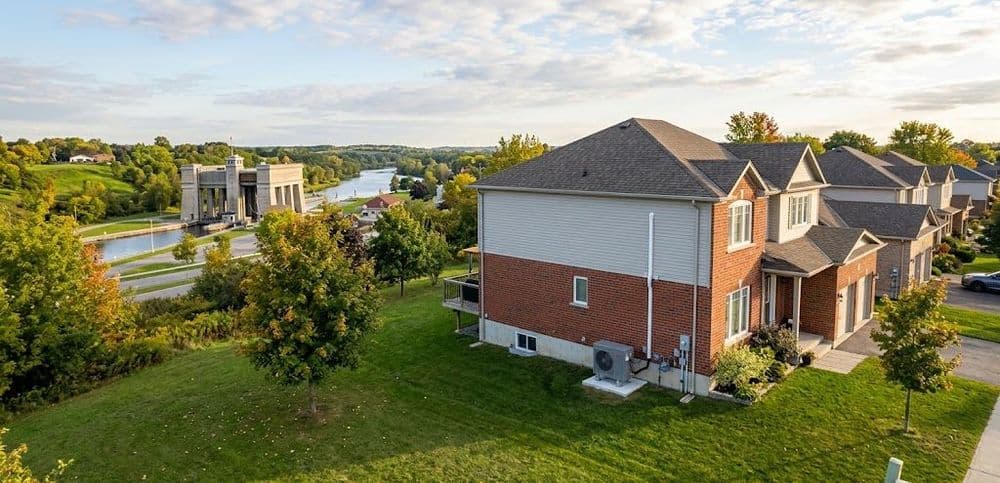
Bisected by the historic Welland Canal Recreational Waterway and the gentle curves of the Welland River, Welland possesses a residential fingerprint unique to Ontario. Local neighborhoods, from the beautiful heritage homes of historic Crowland and the established charm of Chippawa Park, to the contemporary subdivisions of Coyle Creek, Hunters Pointe, and the student-driven North Welland near Niagara College, each present distinct challenges for home comfort. Our city’s climate is extreme. Local homes battle everything from damp summer humidity and heatwaves focused along the canal corridors to freezing, snowy, and wind-tunnel-effect winters. Maintaining a cozy, cost-effective living space requires a smart climate control strategy.
Achieving true Welland Home Comfort is about more than just adjusting your thermostat when the seasons shift. It requires maintaining a finely tuned, interconnected mechanical system. Your heating, cooling, water heating, indoor air quality, and water filtration must all operate seamlessly together to protect your family’s health and shield your wallet from unpredictable utility spikes.
With energy standards evolving and smart home technology advancing rapidly in 2026, let’s explore how you can optimize your Welland property for peak efficiency and year-round performance.
The Core Pillars of Welland Heating and Cooling
1. Heat Pumps: The Multi-Season Solution for Welland Weather
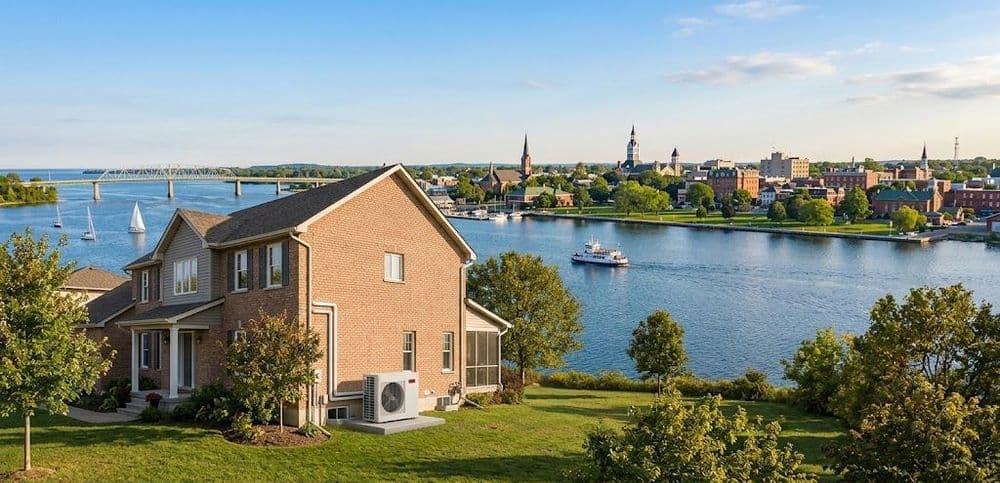
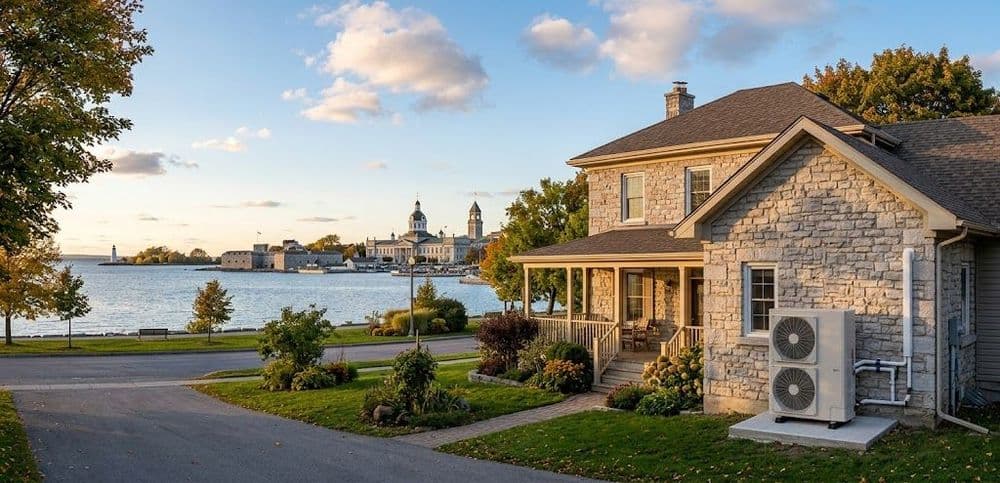
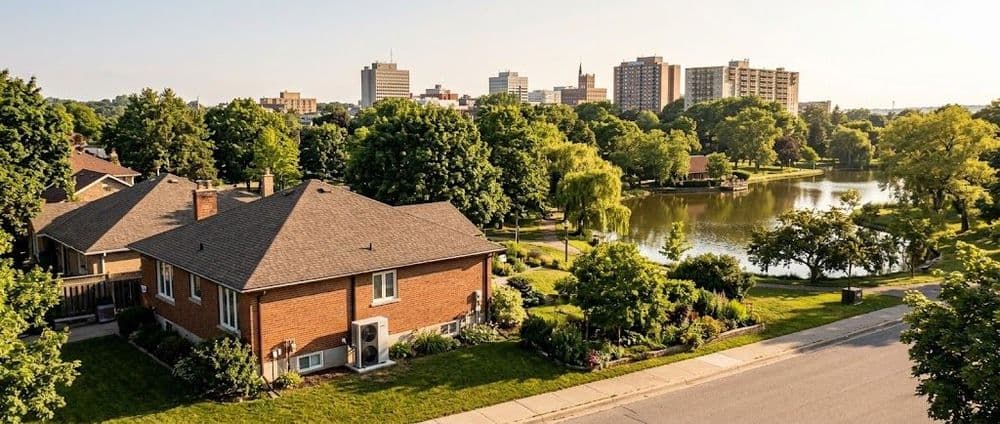
For homeowners searching for the absolute best technology to manage Welland's fluctuating microclimates, a cold-climate air-source heat pump has firmly established itself as the top choice. Instead of burning expensive fossil fuels to create heat from scratch, a heat pump uses an advanced, reversible refrigeration cycle to extract ambient heat from outdoor air during the winter and reverse the process to cool your home during the summer.
Modern cold-climate systems operate effectively even when outdoor temperatures plunge below -25°C. Because a single heat pump provides high-efficiency winter heating and high-performance summer air conditioning, you get comprehensive, multi-season climate control from a single outdoor unit. Transitioning to an electric or hybrid setup also qualifies your property for a substantial energy-efficient home upgrade rebate through active provincial programs, such as the Save on Energy Home Renovation Savings program.
2. High-Efficiency Furnaces: Rock-Solid Winter Security
While standalone electric heat pumps continue to gain massive popularity, traditional natural gas furnaces remain a reliable foundation across Welland neighborhoods like historic Crowland, modern Coyle Creek, Dain City, North Welland near Seaway Mall, and Hunters Pointe.
In 2026, the most practical approach for many local households is a hybrid (dual-fuel) heating system. By pairing a high-efficiency gas furnace with an electric heat pump, your Welland heating and cooling system automatically selects the most cost-effective fuel source based on real-time outdoor temperatures. The heat pump smoothly manages mild winter and shoulder-season days, while the gas furnace stands ready as a heavy-duty backup during severe mid-winter deep freezes.
3. Air Conditioners: Confronting Sticky Canal Humidity
While a dedicated air conditioner is not strictly necessary if you have a whole-home heat pump installed, many Welland homeowners still prefer to run a standalone central air conditioner alongside their existing gas furnace.
When summer humidity rises across the lower city and along the water, a reliable cooling system becomes essential. Upgrading an aging, noisy AC unit to a modern variable-speed model instantly reduces your electricity consumption. Instead of constantly cycling on and off at 100% capacity—which drives up monthly energy bills—variable-speed systems run quietly at lower, continuous levels in the background. This steadily removes humidity from your indoor air, keeping temperatures crisp and balanced even during intense July heatwaves.
Optimizing Your Water and Air Ecosystem
4. Tank vs. Tankless Water Heaters
How you manage your domestic hot water supply has a direct impact on your monthly utility expenses. When evaluating your overall HVAC system layout, don't overlook your water heater:
- Traditional Storage Tanks: These units continuously heat and hold 40 to 60 gallons of water. While cheaper upfront, they waste standby energy keeping water hot while you are away at work or sleeping, and they can run out of hot water during peak morning routines.
- Tankless Water Heaters: These compact, wall-mounted systems heat water instantly on demand. Upgrading to a tankless water heater Welland installation provides your household with an endless supply of hot water, reclaims valuable basement floor space, and cuts your monthly gas bill by only drawing energy when a tap is running.
5. Indoor Air Quality: Advanced Filters and Clean Air
With Welland’s industrial background, unique canal architecture, and seasonal agricultural and tree pollen, protecting indoor air quality to Welland standards is a top priority for local homeowners. Sealed modern homes can trap dust, pet dander, particulate matter, and ambient outdoor allergens inside living spaces. Standard 1-inch fiberglass filters offer minimal protection. Upgrading to a high-efficiency air filter or integrating a whole-home Energy Recovery Ventilator (ERV) ensures that air circulating through your ductwork is continuously filtered, fresh, and free of seasonal contaminants.
6. Water Treatment: Softeners and Reverse Osmosis (RO) Systems
Municipal tap water in Welland is sourced from Lake Erie via the Feeder Canal, processed through regional facilities like the Region of Niagara Water Treatment Plant, specifically the DeCew Water Treatment Plant. While safe and thoroughly tested, the water is known to have moderately hard to hard mineral levels, typically testing around 117 mg/L with a common range between 100 to 150 mg/L (approximately 6 to 9 grains per gallon). Over time, dissolved calcium and magnesium create chalky scale buildup that clogs plumbing lines, spots dishes, and reduces the lifespan of water heaters and laundry appliances.
Installing high-efficiency water softeners in Welland neutralizes these hard minerals at the entry point, protecting your plumbing and household appliances. For pure, fresh-tasting drinking water right from your kitchen tap, pairing your softener with a multi-stage Reverse Osmosis (RO) system effectively removes chlorine taste, trace heavy metals, and microscopic impurities.
💰Save Up to 30% with Custom Bundles
Managing separate contractors for your furnace, air conditioner, water filtration, and hot water heater can be time-consuming and costly. To streamline your home upgrades, Polaron Comfort offers an exclusive bundle program that allows you to save up to 30% off your total investment. By combining your HVAC upgrades with targeted water heating and filtration solutions under one coordinated installation plan, you can maximize monthly energy savings while elevating your overall home comfort.
Related Articles from Polaron Comfort
- The 2026 Complete Guide to Home Comfort Systems in Modern Homes
- Heat Pump vs Furnace 2026: Finding the Right Heating Solution for Your Home
- Rent VS Own a Water Heater: The Ultimate 2026 Guide for Canadian Homeowners
- Water Treatment Solution Guide 2026: Reverse Osmosis & Water Softener
Summary
Achieving optimal Welland Home Comfort requires a complete view of your property’s mechanical equipment. Balancing a high-efficiency heating and cooling setup with reliable air filtration and effective water treatment improves your daily quality of life while protecting your home from rising energy costs. Ready to modernize your living space? Contact the team at Polaron Comfort today to design a custom, rebate-eligible home comfort package!
Frequently Asked Questions
1. Do I need a home energy audit to qualify for a heat pump rebate in Welland?
Under the active 2026 Home Renovation Savings program, homeowners applying strictly for a standalone cold-climate heat pump installation can utilize a direct upgrade path that does not require a pre-retrofit energy assessment.
2. Is Welland's municipal tap water considered hard?
Welland's tap water, sourced from Lake Erie and the Feeder Canal, is classified as moderately hard to hard, usually testing around 117 mg/L (6 to 9 grains per gallon). While completely safe for daily use, it contains enough dissolved minerals to cause gradual scale buildup inside tankless water heaters, humidifiers, and plumbing fixtures over time.
3. How often should I replace the HEPA or media air filter in my home comfort system?
If you have installed a high-efficiency 4-inch media filter or a whole-home filtration unit, these systems generally require filter replacements every 6 to 12 months, depending on household pet levels, local dust, and occupant allergies. Standard 1-inch filters, by comparison, should be inspected and replaced every 60 to 90 days.


.70e3bcd1.svg)
.8cbc05bd.svg)
.29c01fed.svg)
.6c51ffe3.svg)