Bridgewater Home Comfort

Sep 22, 2026

7 Mins
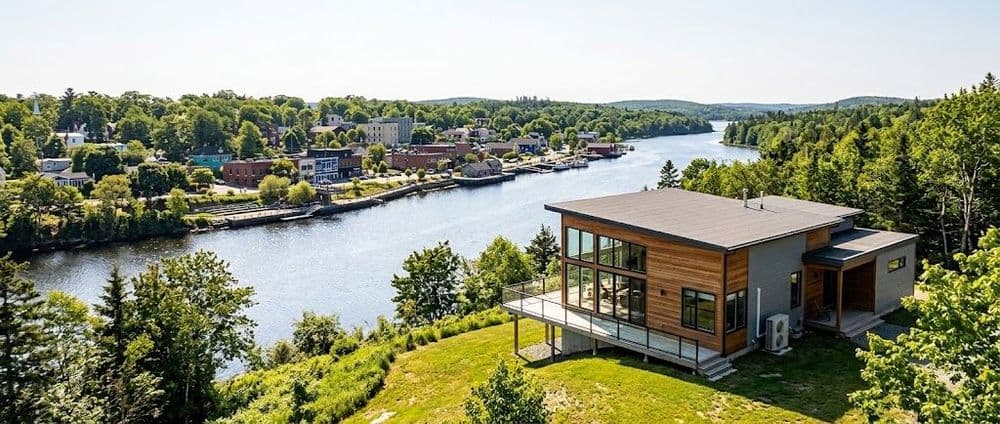
Situated along the navigable waters of the LaHave River, Bridgewater is proudly known as the "Hub of the South Shore." As the commercial and residential center of Lunenburg County, Bridgewater features a diverse housing stock—from charming 19th-century character homes along the riverfront to mid-century bungalows and modern suburban developments across Cookville, Hebbville, Dayspring, and Oakhill. However, homes in the LaHave River Valley face demanding maritime weather conditions year-round. Damp Atlantic fog, heavy river valley humidity, freezing winter storms, and frequent freeze-thaw cycles require a smart, resilient climate control strategy.
Achieving true Bridgewater Home Comfort requires more than just firing up an oil furnace, feeding a woodstove, or turning up electric baseboards when an Atlantic winter gale rolls through Lunenburg County. It requires maintaining a finely tuned, interconnected mechanical ecosystem within your home. Your heating, cooling, hot water supply, indoor air quality, and water filtration must all operate seamlessly together to protect your property, safeguard your family’s health, and shield your wallet from rising fuel oil and electricity rates.
With energy standards evolving and smart home technology advancing rapidly in 2026, let’s explore how you can optimize your Bridgewater property for peak efficiency and year-round performance.
The Core Pillars of Bridgewater Heating and Cooling
1. Heat Pumps: The Multi-Season Solution for South Shore Weather
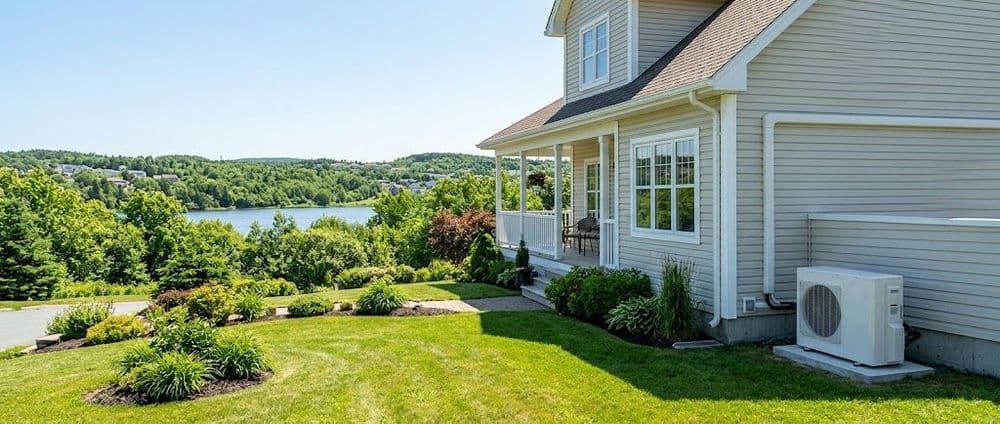
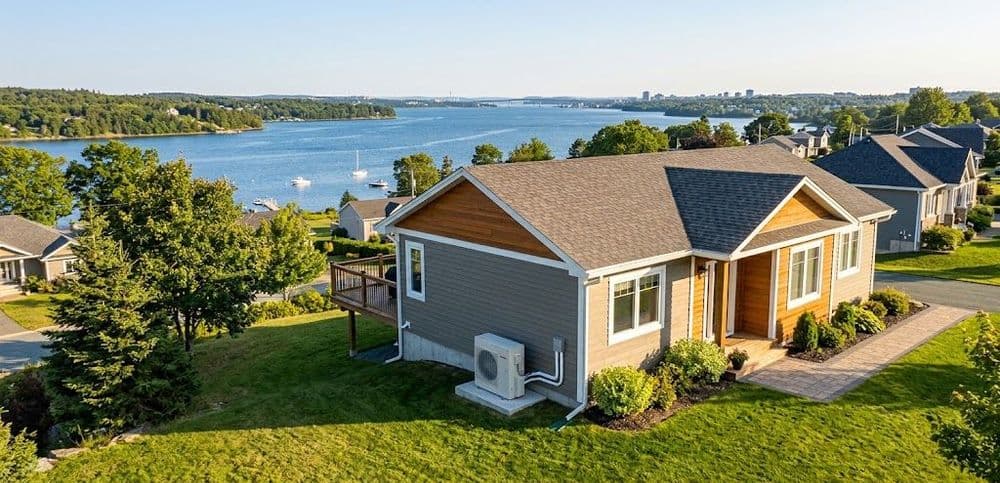
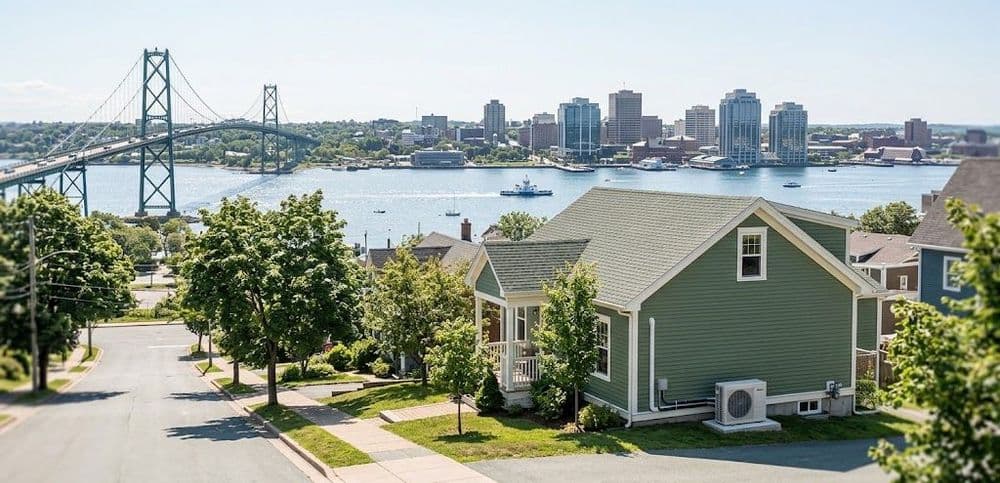
For Bridgewater homeowners looking to break free from expensive heating oil or inefficient electric resistance heating, a cold-climate air-source heat pump has firmly established itself as the single best home upgrade. Instead of burning fossil fuels or using power-hungry heating coils to generate heat from scratch, a heat pump uses an advanced, reversible refrigeration cycle to extract ambient thermal energy from outdoor air during the winter and push indoor heat outside during the summer.
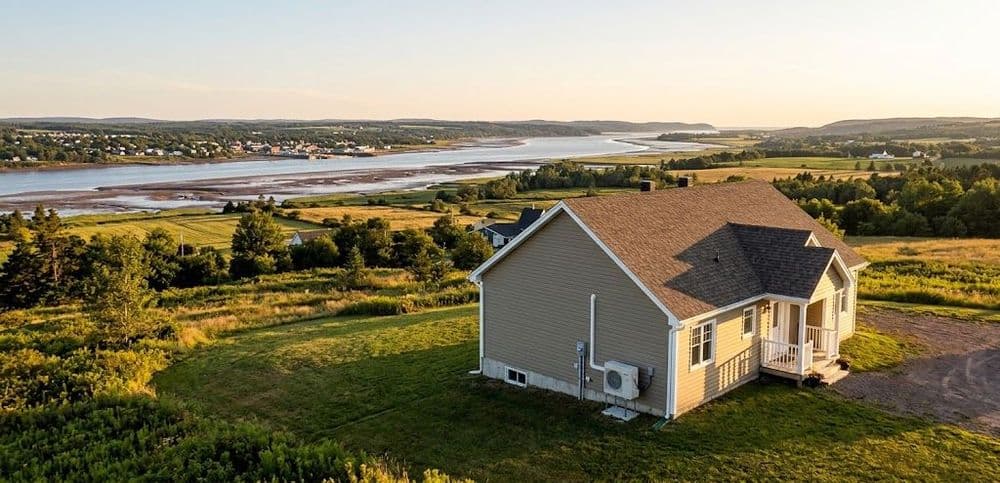
Modern cold-climate systems operate reliably even when winter temperatures drop down to -25°C. Multi-zone ductless mini-splits are ideal for retrofitting older character homes along the LaHave River without existing ductwork, while central heat pumps integrate seamlessly into ducted setups in newer builds throughout Cookville and Hebbville. Transitioning to an electric or hybrid heat pump setup also positions your property for substantial rebates through provincial energy-efficiency initiatives like Efficiency Nova Scotia.
2. High-Efficiency Furnaces & Hybrid Systems: Rock-Solid Winter Security
While standalone heat pumps continue to gain massive adoption across Bridgewater and neighboring Lunenburg County communities, traditional oil, propane, and wood-supplemented heating setups remain common in established homes.
In 2026, the most practical transition strategy for many local households looking to trim heavy winter fuel costs is a hybrid (dual-fuel) heating system. By pairing a high-efficiency backup furnace with an electric heat pump, your Bridgewater heating and cooling system automatically selects the most economical energy source based on real-time outdoor temperatures. The heat pump smoothly handles mild winter days and shoulder seasons, while the backup furnace stands ready during severe Atlantic winter blizzards and extreme cold snaps.
3. Air Conditioners & Humidity Control: Managing River Valley Summer Moisture
While a dedicated air conditioner is not strictly necessary if you have a ductless mini-split or central heat pump installed (since heat pumps manage both heating and cooling), having reliable summer moisture control is vital in Bridgewater.
During July and August, warm, humid air funnels up the LaHave River valley. Upgrading an aging cooling setup to a modern, variable-speed system ensures quiet, efficient humidity control. Rather than cycling on and off at 100% capacity, variable-speed systems run continuously at lower levels in the background, steadily pulling heavy moisture out of your indoor air to prevent sticky living spaces and protect against basement dampness or mold growth.
Optimizing Your Water and Air Ecosystem
4. Tank vs. Tankless Water Heaters
How you manage your domestic hot water supply has a major impact on monthly utility bills. When evaluating your overall HVAC system in Bridgewater, don't overlook your water heater:
- Traditional Storage Tanks: Electric and oil-fired hot water tanks continuously heat and hold 40 to 60 gallons of water. While common in older Bridgewater homes, they suffer from standby heat loss and can easily run out of hot water during back-to-back morning routines.
- Tankless Water Heaters: These compact, wall-mounted systems heat water instantly on demand. Upgrading to a tankless water heater in Bridgewater provides an endless supply of hot water, reclaims valuable basement floor space, and cuts energy bills by drawing power or fuel only when a hot tap is turned on.
5. Indoor Air Quality: Advanced Filters and Clean Air
With coastal river valley humidity, woodstove smoke, seasonal pollen, and fine particulate matter, maintaining superior indoor air quality in Bridgewater is a top priority for local homeowners. Sealed modern or retrofitted homes can trap dust, pet dander, mold spores, and airborne allergens inside living spaces. Standard 1-inch fiberglass filters offer minimal protection. Upgrading to a high-efficiency air filter or integrating a whole-home Energy Recovery Ventilator (ERV) or Heat Recovery Ventilator (HRV) ensures air circulating through your home is continuously filtered, fresh, and properly dehumidified.
6. Water Treatment: Softeners, Filtration, and Reverse Osmosis (RO) Systems
Municipal tap water in Bridgewater, managed by the Public Service Commission of Bridgewater and drawn from the Hebb Lake Watershed, is safe, heavily treated, and naturally soft to moderately soft. However, municipal water carries noticeable chlorine taste, seasonal organic compounds, and occasional trace pipe residues. Meanwhile, many surrounding properties in semi-rural Lunenburg County—such as Hebbville, Dayspring, Cookville, and Midville Branch—rely on private drilled or dug wells that frequently contain mineral hardness, dissolved iron, manganese, and acidic pH levels.
Installing targeted water softeners in Bridgewater for well-water properties neutralizes hard minerals and iron right at the entry point, protecting plumbing and extending appliance lifespans. For all Bridgewater households wanting pure, bottled-quality drinking water right from the kitchen tap, pairing your system with a multi-stage Reverse Osmosis (RO) system effectively eliminates chlorine residues, heavy metals, and micro-contaminants.
💰 Save Up to 30% with Custom Bundles
Managing separate contractors for your furnace, air conditioner, water treatment, and hot water heater can be time-consuming and expensive. To streamline your home upgrades, Polaron Comfort offers an exclusive bundle program that allows you to save up to 30% on your total investment. By combining your HVAC upgrades with targeted water heating and filtration solutions under one coordinated installation plan, you can maximize monthly energy savings while elevating your overall home comfort.
Related Articles from Polaron Comfort
- The 2026 Complete Guide to Home Comfort Systems in Modern Homes
- Heat Pump vs Furnace 2026: Finding the Right Heating Solution for Your Home
- Rent VS Own a Water Heater: The Ultimate 2026 Guide for Canadian Homeowners
- Water Treatment Solution Guide 2026: Reverse Osmosis & Water Softener
Summary
Achieving optimal Bridgewater Home Comfort requires a complete view of your property’s mechanical equipment. Balancing a high-efficiency heat pump or hybrid heating setup with reliable air filtration and effective water treatment improves your daily quality of life while protecting your home from rising fuel oil and electricity costs. Ready to modernize your South Shore living space? Contact the team at Polaron Comfort today to design a custom, rebate-eligible home comfort package!
Frequently Asked Questions
1. Do I need a home energy audit to qualify for a heat pump rebate in Bridgewater?
Yes. To qualify for provincial heat pump rebates through Efficiency Nova Scotia, you must complete a pre-retrofit Home Energy Assessment before installing your system. Installing equipment prior to an official evaluation by a Certified Energy Advisor will disqualify your project from funding streams. A follow-up post-installation audit is required to verify the work and trigger your final rebate payout.
2. Is Bridgewater's tap water considered hard?
If connected to the Town of Bridgewater municipal water supply (Hebb Lake), your tap water is naturally soft but may carry chlorine taste or seasonal organic compounds. However, if your property in the surrounding Bridgewater area relies on a private drilled well (e.g., in Hebbville or Dayspring), groundwater frequently contains mineral hardness, dissolved iron, and manganese, making a dedicated water softener essential.
3. What type of heat pump works best for older character homes in Bridgewater?
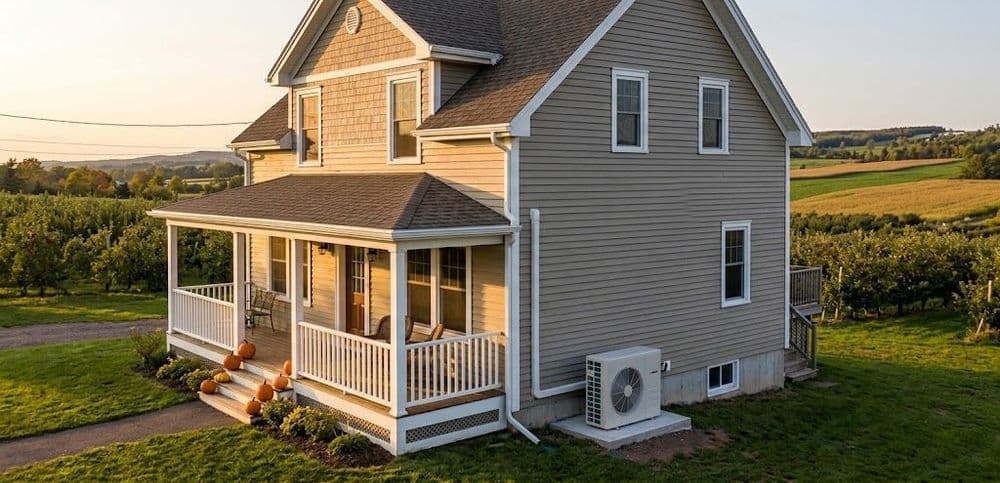
For older 1.5 or 2-story character homes along the LaHave River that lack existing ductwork, a ductless multi-split heat pump system is usually the most effective solution. Ductless indoor heads provide targeted heating and cooling to primary living areas without requiring invasive duct installation or altering historic interiors.


.70e3bcd1.svg)
.8cbc05bd.svg)
.29c01fed.svg)
.6c51ffe3.svg)